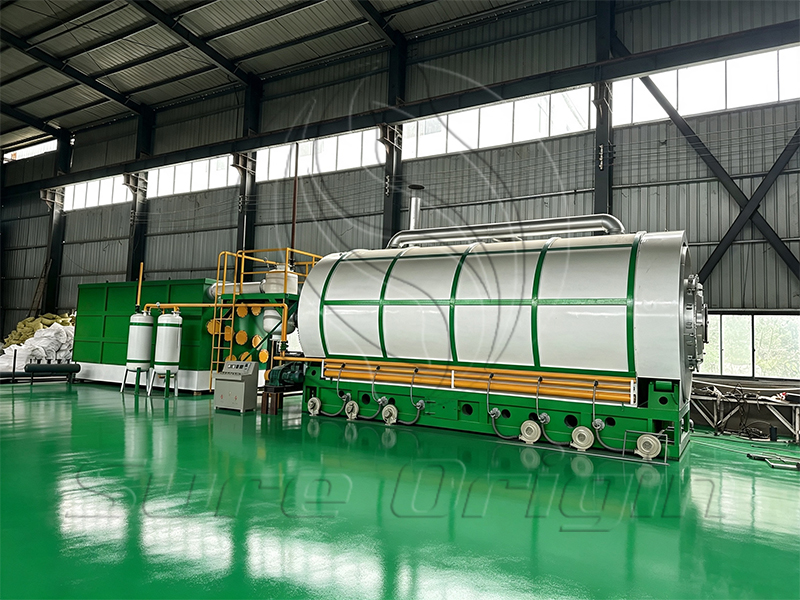
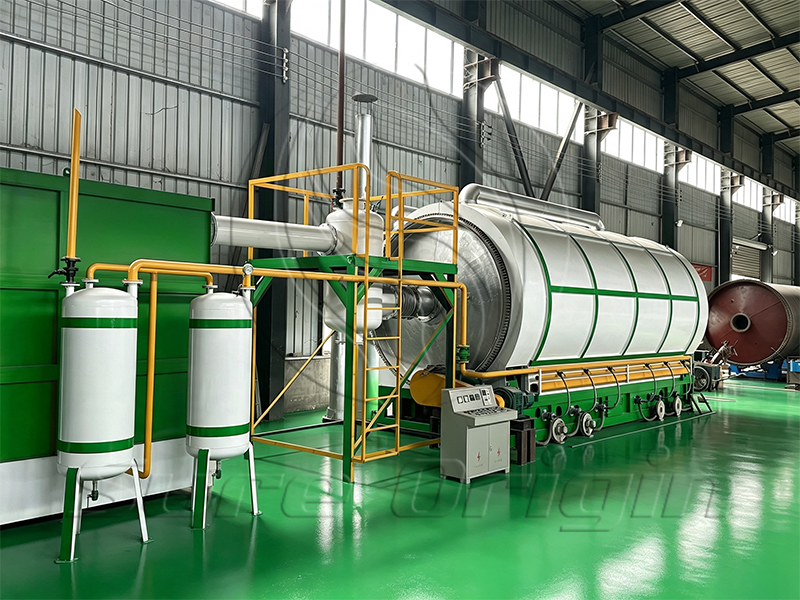
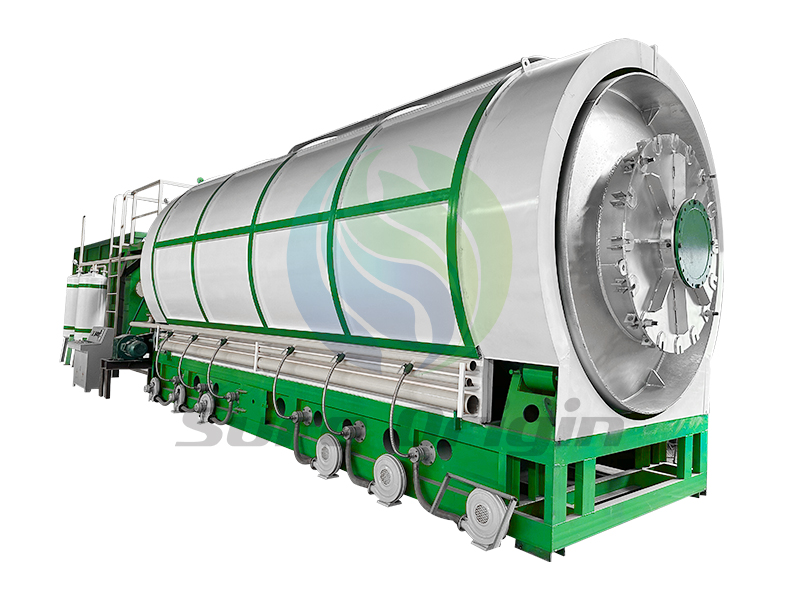
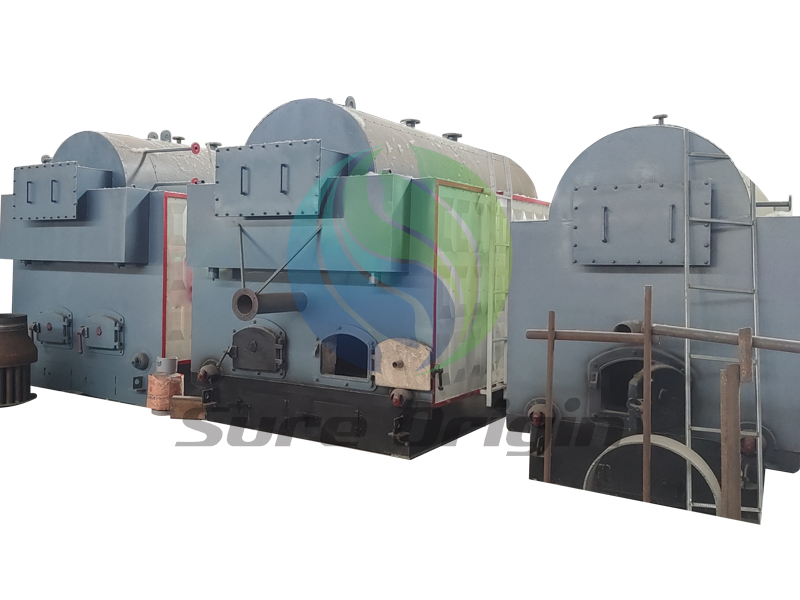
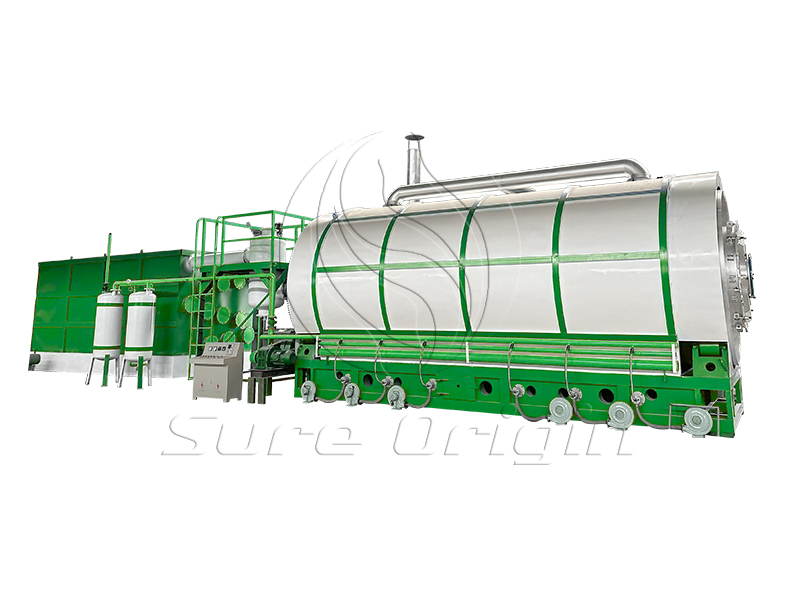
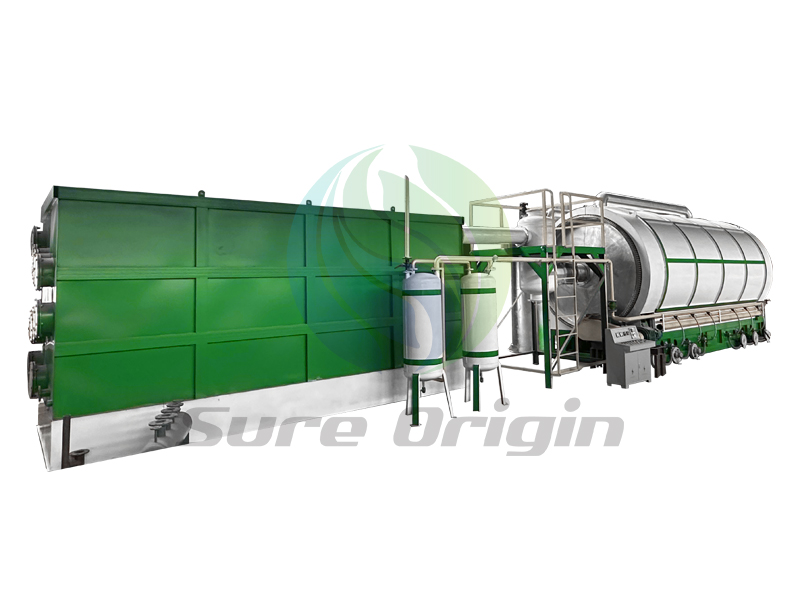
Pyrolysis of tires has become one of the most valuable thermochemical recycling technologies to tackle the global waste tire crisis. Pyrolysis of tires offers a complete way to turn discarded rubber tires into marketable raw materials. Without mature technical support, pyrolysis of tires cannot achieve stable resource conversion. Many investors in solid waste recycling regard pyrolysis of tires as a profitable eco-friendly project. Proper factory layout and matched equipment are the foundation for stable operation of pyrolysis of tires. More governments encourage legal recycling projects, which greatly boosts the development of pyrolysis of tires.
Raw Material Sources for Pyrolysis of Tires
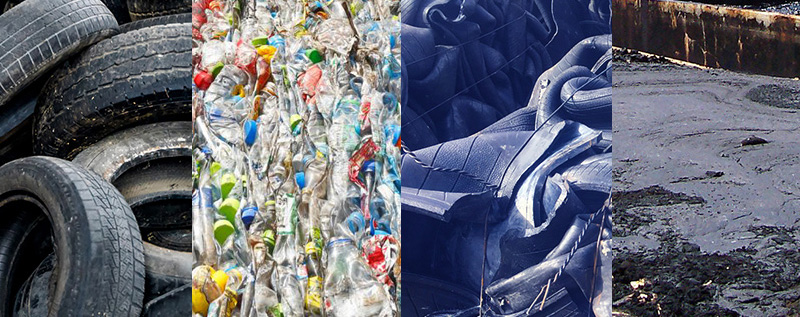
Before launching pyrolysis of tires, operators need stable supply channels for waste tires. The primary sources include auto repair shops, vehicle dismantling yards, tire retailers and large logistics fleets. Construction mines generate massive used truck tires and engineering tires, which are major raw materials for pyrolysis of tires. Municipal waste management stations collect abandoned civilian tires and deliver them to factories for pyrolysis of tires. In addition, scrap brokers gather mixed waste tires in bulk and supply raw materials for pyrolysis of tires. With the continuous growth of automobile ownership worldwide, raw material supply for pyrolysis of tires will remain sufficient in the long run.
Complete Processing Procedure of Pyrolysis of Tires
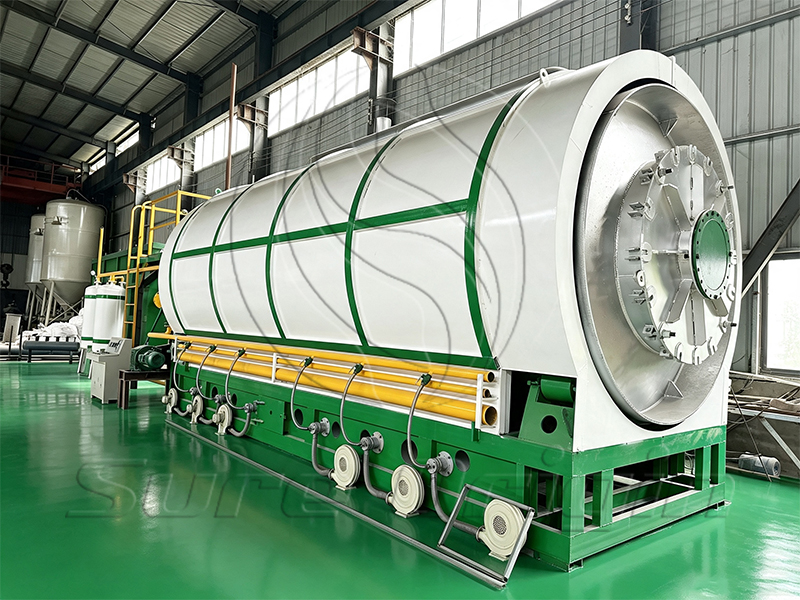
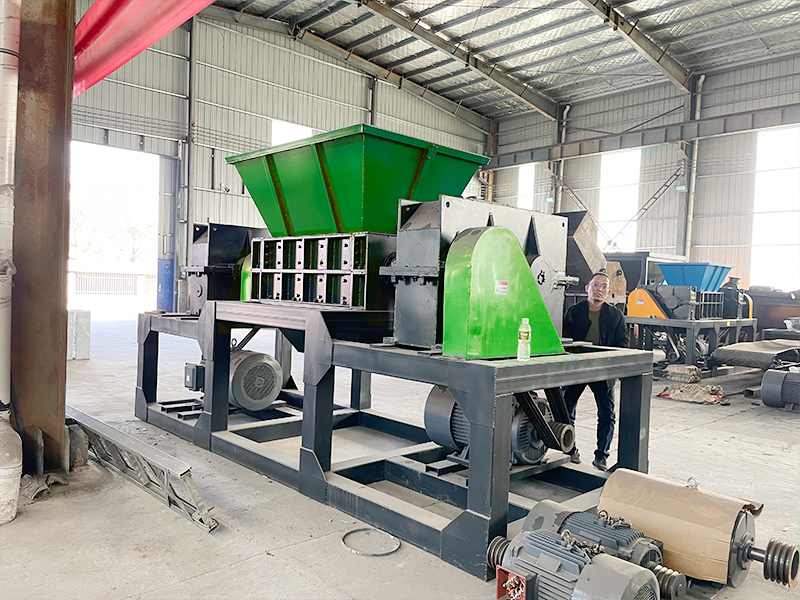
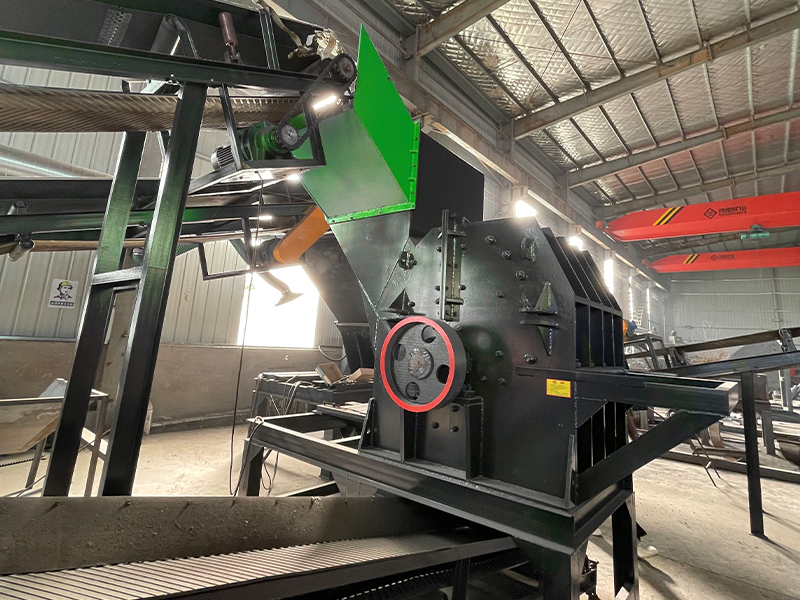
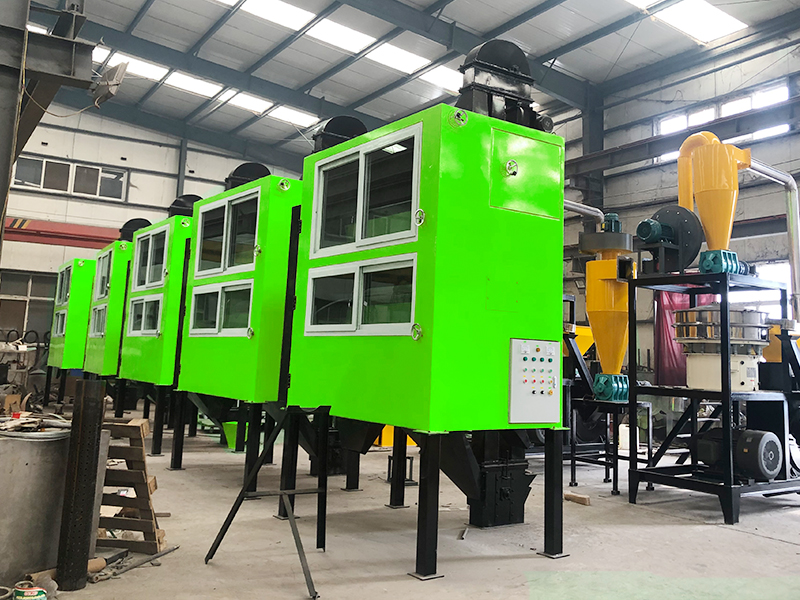
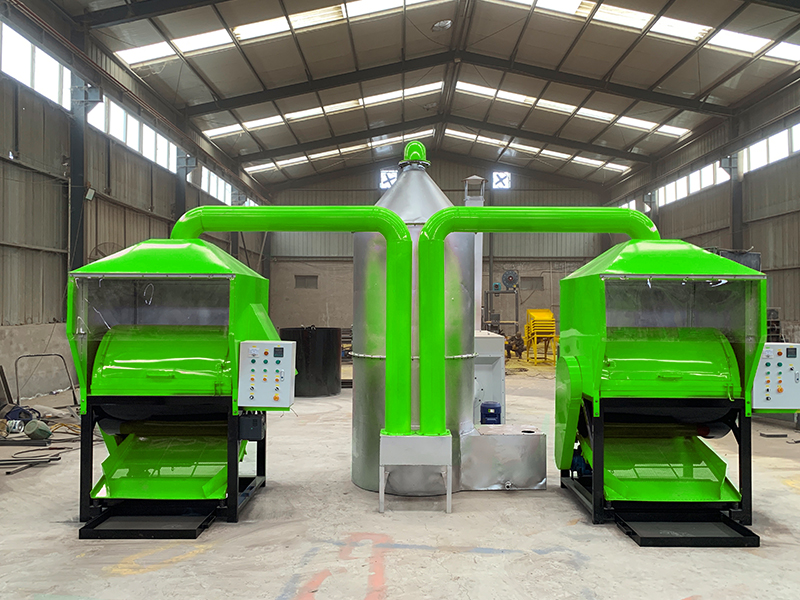
The whole workflow of pyrolysis of tires follows strict processing steps. First, waste tires are sorted and sent into shredders to cut whole tires into small rubber pieces. After removing sundries, shredded tire materials are transported into sealed pyrolysis reactors. Pyrolysis of tires proceeds under high temperature and oxygen-free environment inside the reactor. Rubber components crack thermally and generate gaseous, liquid and solid products during pyrolysis of tires. Volatile gas is condensed into pyrolysis oil; non-condensable combustible gas can supply heat for pyrolysis of tires directly. Solid residues contain recovered carbon black and clean steel wires separated after pyrolysis of tires. All flue gas is treated by dedusting and deodorization systems to meet emission standards during pyrolysis of tires.
Environmental Advantages & Economic Value of Pyrolysis of Tires
Pyrolysis of tires brings remarkable environmental benefits and multiple profit sources. Environmentally, pyrolysis of tires avoids landfilling and open burning of waste tires, eliminating the so-called “black pollution”. Unlike simple incineration, pyrolysis of tires maximizes resource recovery and cuts carbon emissions.
Economically, pyrolysis of tires produces four salable products. Pyrolysis fuel oil can be used for industrial boilers and power generation; recovered carbon black serves as filler for rubber, ink and plastic industries. Recovered steel wire can be sold to steel smelters. The circulating combustible gas reduces external fuel consumption of pyrolysis of tires. Multiple product income greatly improves the profit margin of projects based on pyrolysis of tires.
Development Prospect of Pyrolysis of Tires
The industry outlook for pyrolysis of tires is highly optimistic. Many countries ban random stacking of waste tires and introduce strict environmental policies, pushing demand for industrialized pyrolysis of tires. The circular economy trend accelerates investment in resource regeneration projects including pyrolysis of tires. As technology upgrades, continuous automatic equipment will replace traditional batch reactors for pyrolysis of tires. Markets in Southeast Asia, Africa, the Middle East and South America have huge gaps in waste tire disposal, bringing massive investment opportunities for pyrolysis of tires. Rising prices of energy and carbon black further enhance the commercial attraction of pyrolysis of tires. In the future, standardized, low-emission pyrolysis of tires will become mainstream waste tire disposal technology globally.
As an efficient recycling technology, pyrolysis of tires solves the difficult waste tire treatment problem and creates considerable economic returns. For recyclers and investors, building a standardized production line for pyrolysis of tires is a sustainable long-term business choice.