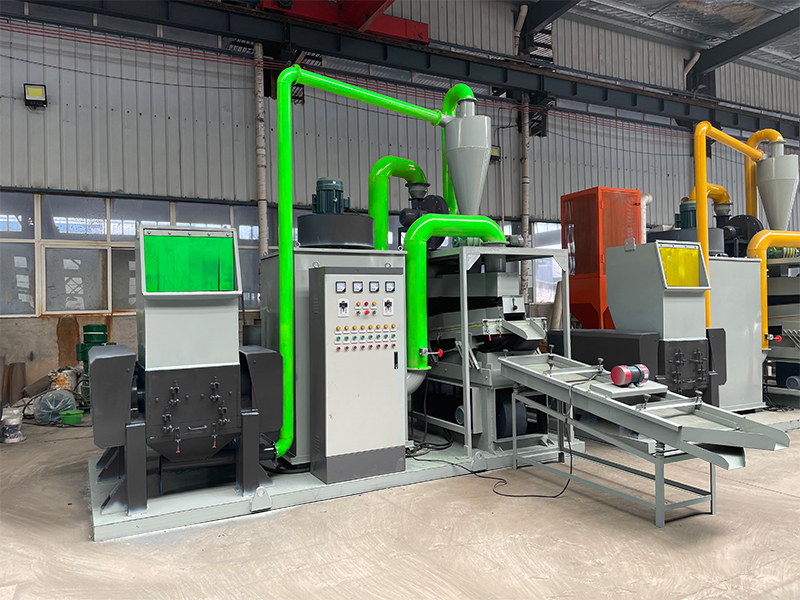
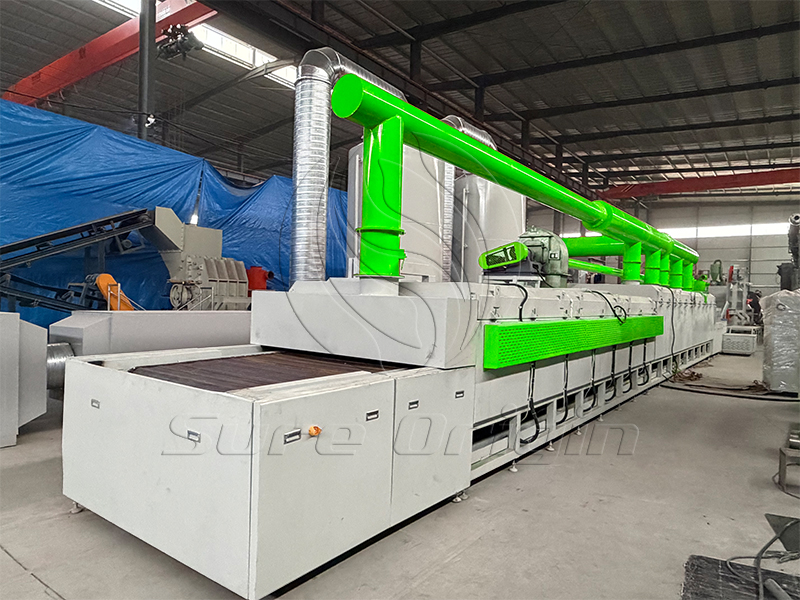
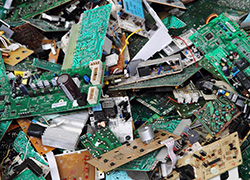
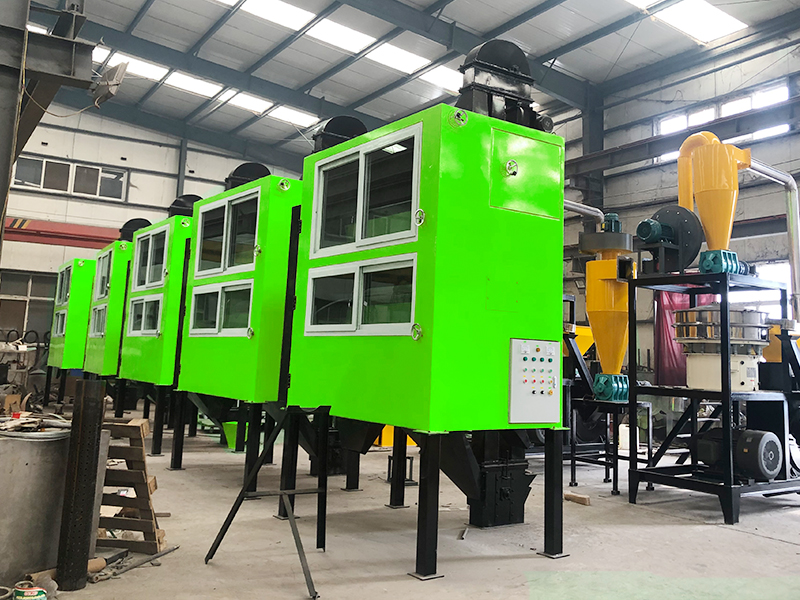
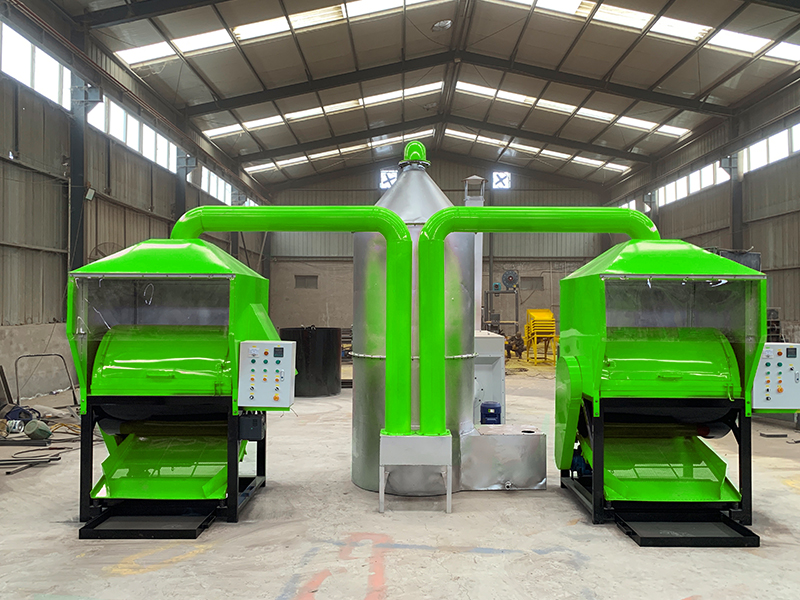
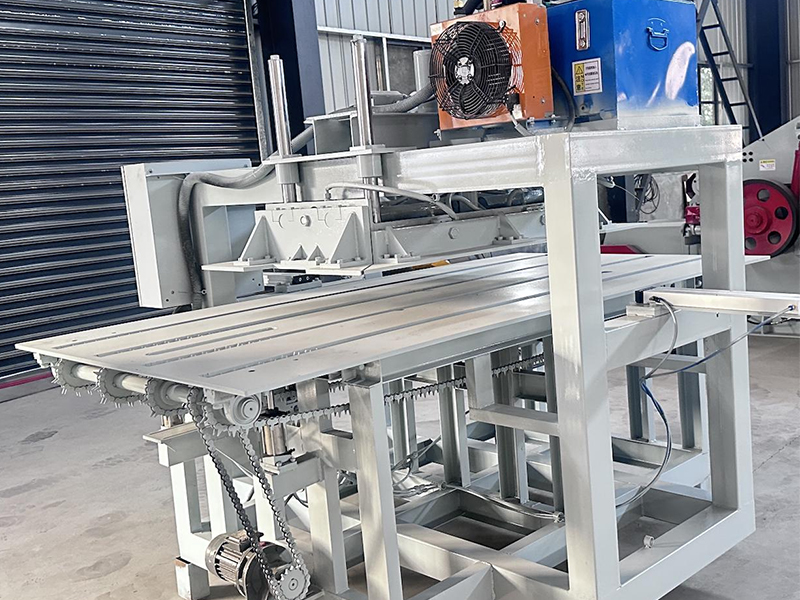
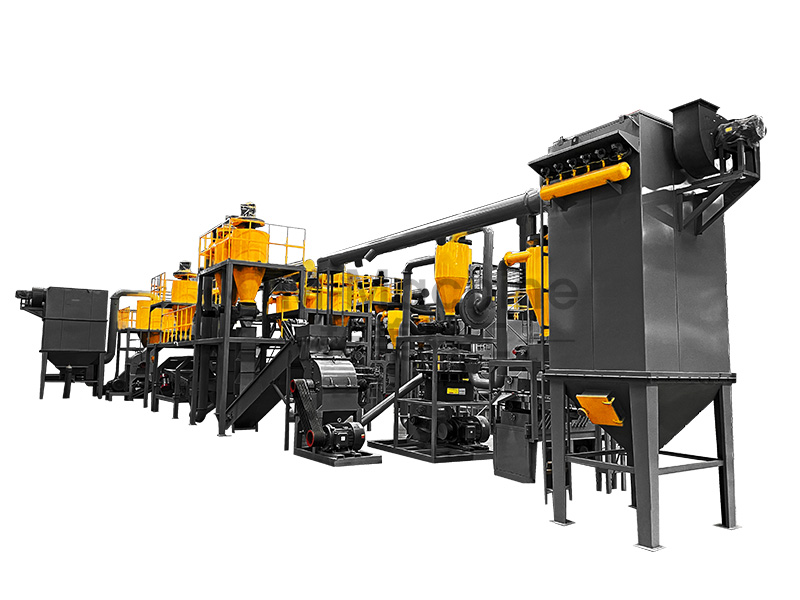
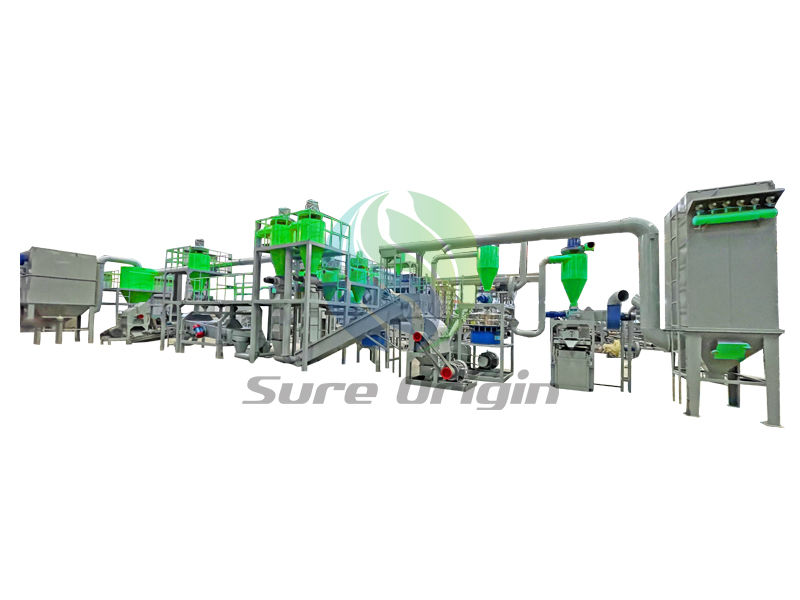
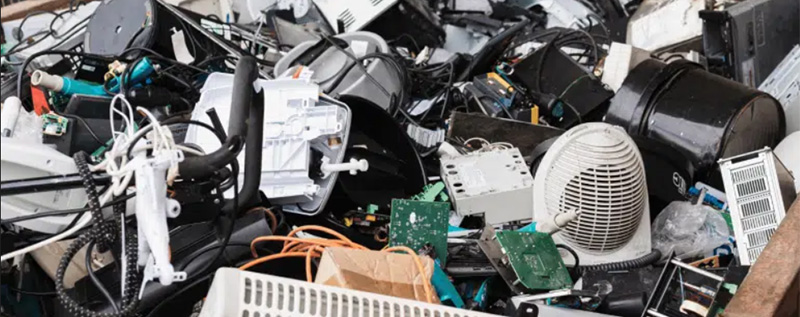
In the face of rising electronic waste (e-waste) volumes and depleting natural resources, recycling printed circuit boards (PCBs) has become a crucial avenue for recovering valuable materials. A well-designed circuit board crushing production line turns discarded electronics into a sustainable source of metals and resins — all while minimizing environmental impact.
1. Pre-treatment: Dismantling and Hazard Management
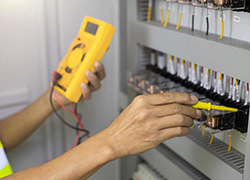
Before crushing, PCBs undergo dismantling to extract electronic components—like capacitors, resistors, IC chips, and connectors—which may contain valuable or hazardous materials. Manual disassembly remains common, though advanced setups deploy automated detection systems using image processing for quicker, safer separation. This step is essential to minimize contamination and preserve reusable parts.
2. Size Reduction: Crushing and Pulverizing
The crushed process typically unfolds in stages:
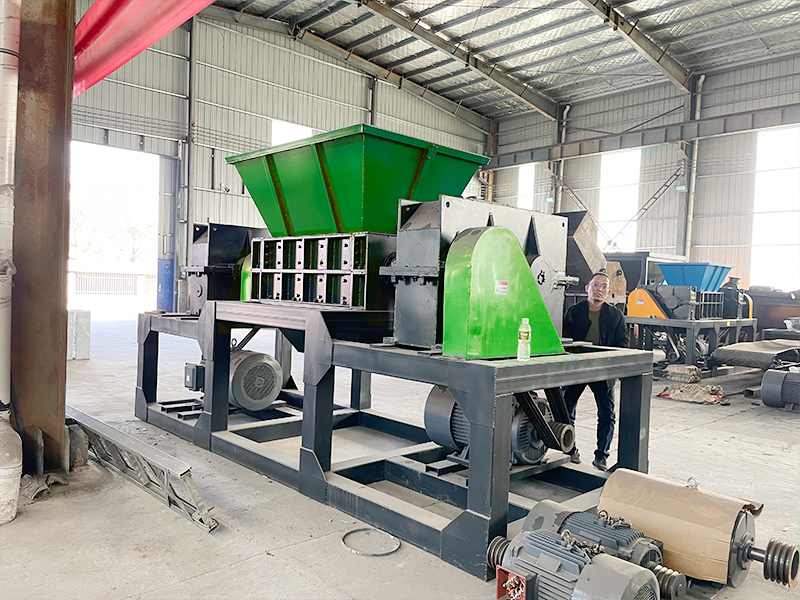
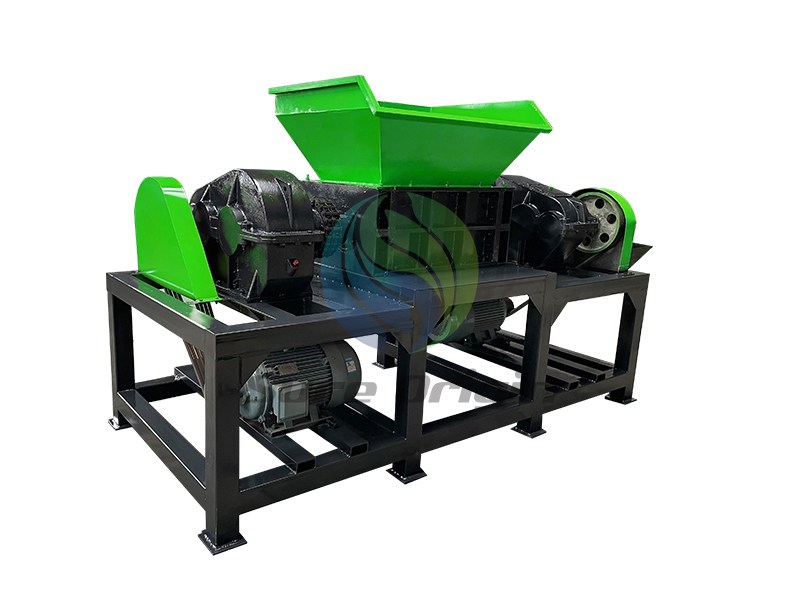
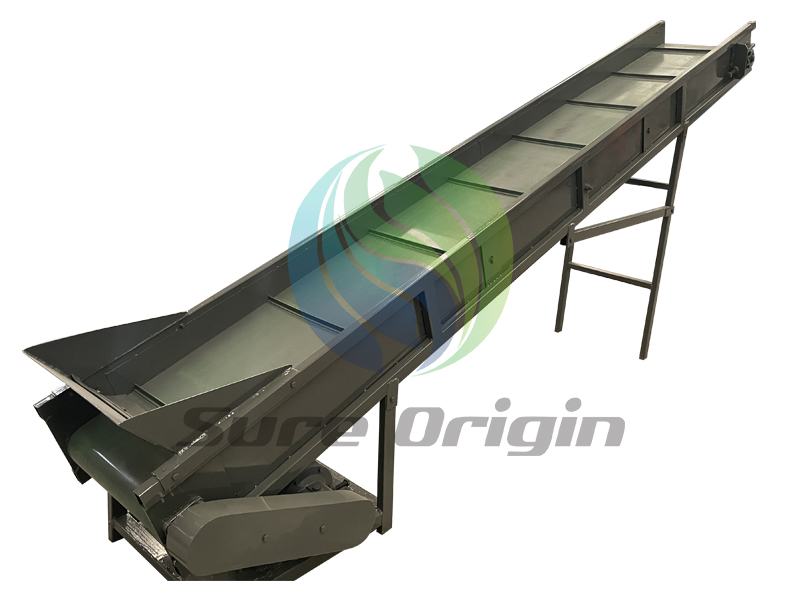
Primary shredding: Boards are reduced to ~1–2 cm² fragments using shredders or granulators .
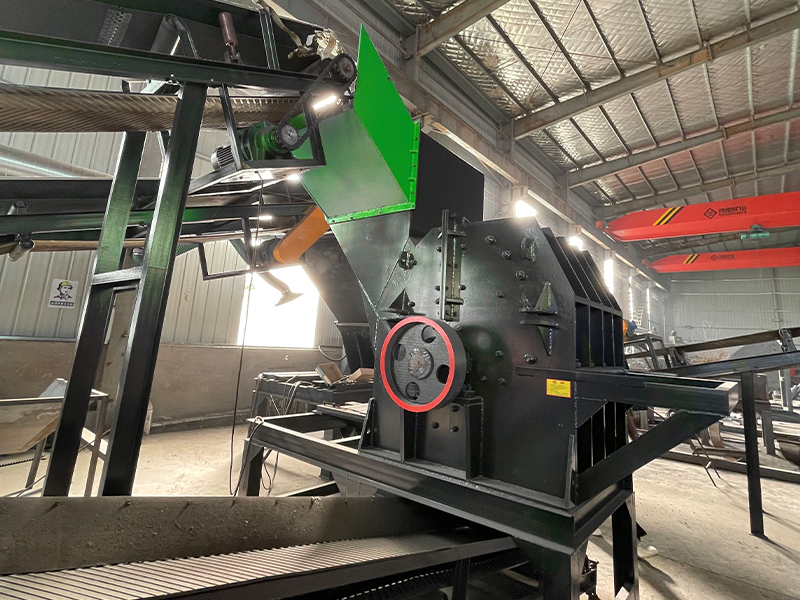
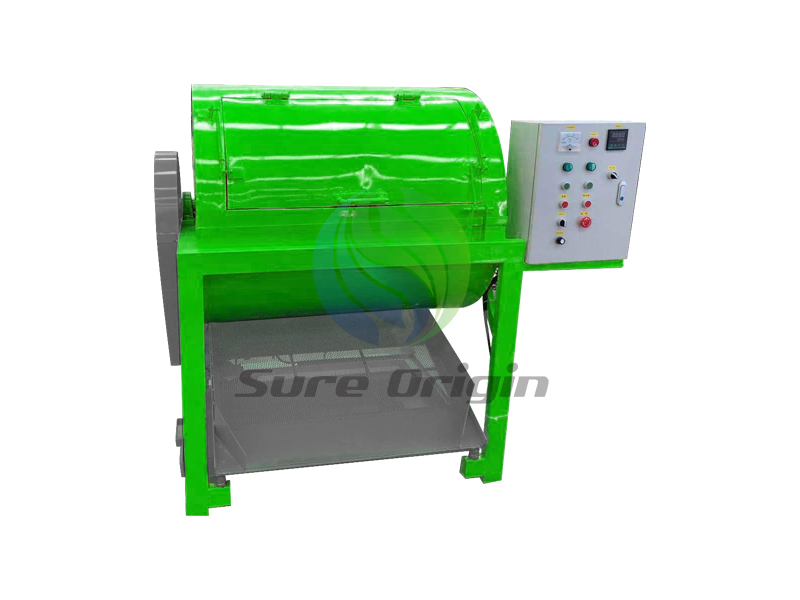
Secondary crushing: Hammer crushers or mills grind fragments further into powder or granules
These processes ensure materials are fine enough for efficient downstream separation while balancing energy use and mechanical wear.
3. Separation: Recovering Metals from Non-Metals
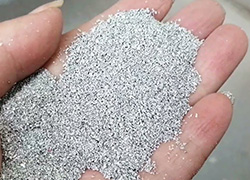
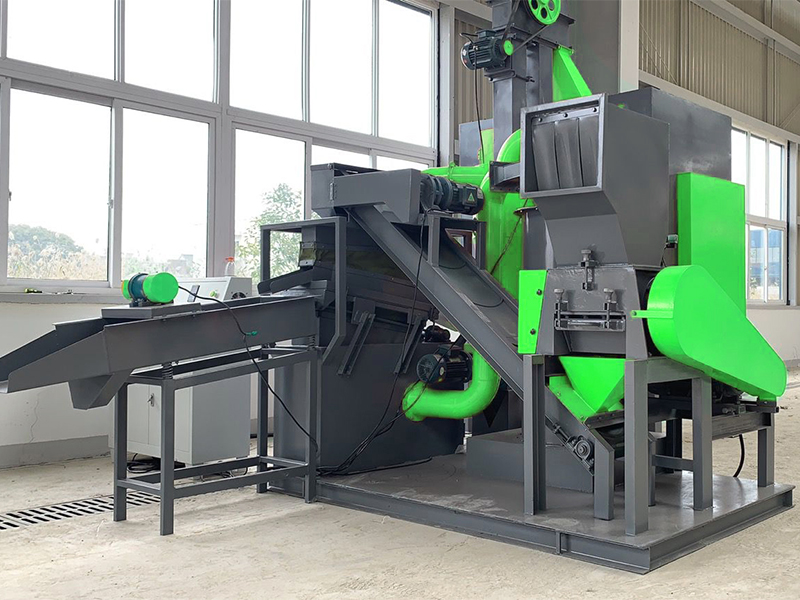
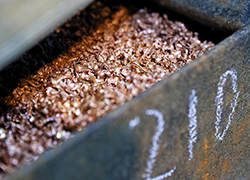
Crushing yields a mix of metal and non-metal particles. Efficient separation relies on various technologies:
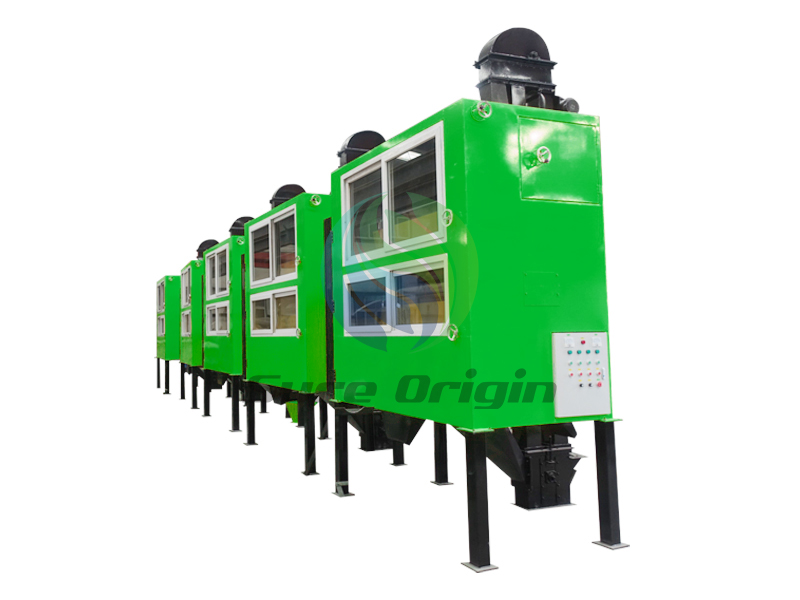
Airflow (gravity) separators blow lighter resin powders away, letting heavier metal particles fall
4. Environmental Safeguards: Dust Control and Pollution Mitigation
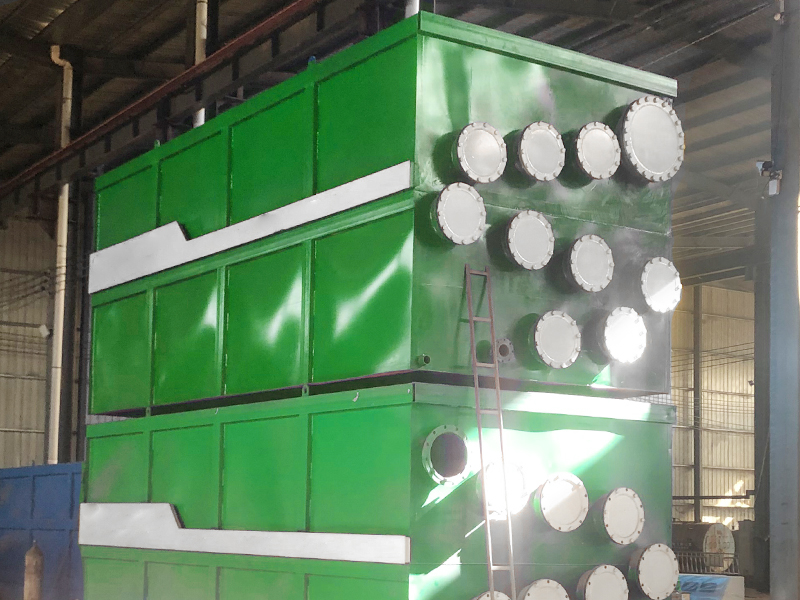
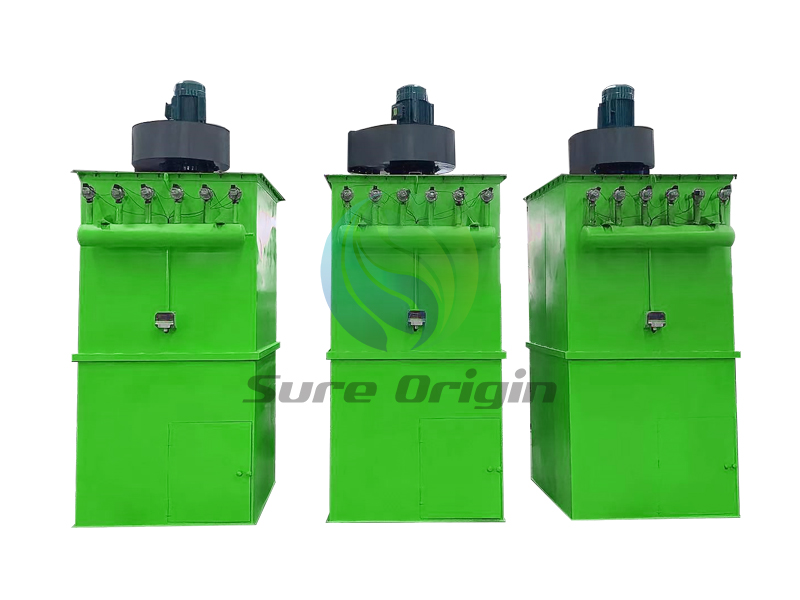
Crushing PCBs releases fine dust laden with toxic substances like heavy metals and brominated compounds. Effective dust removal is critical for worker safety and air quality:
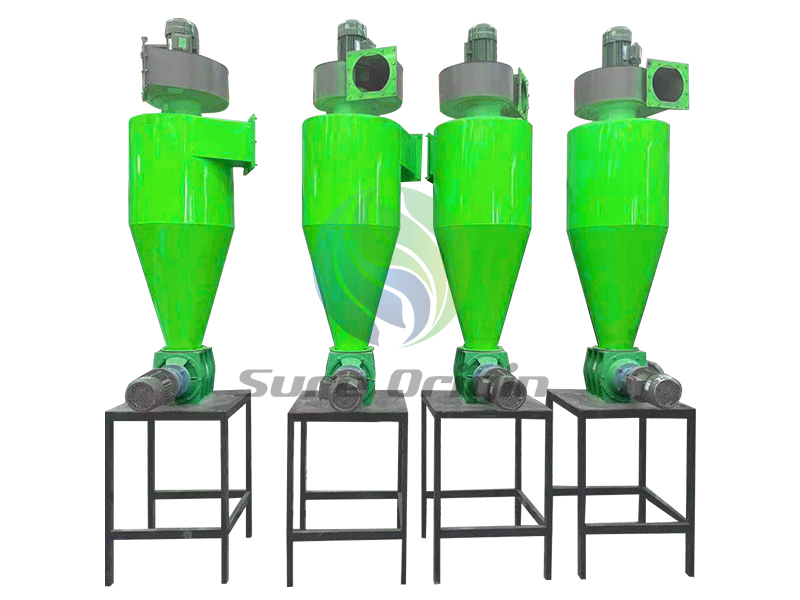
Systems such as baghouse filters, cyclones, and wet scrubbers capture particulates during shredding and sorting
5. Advanced Techniques: Optimizing Comminution and Liberation
Researchers and engineers are exploring innovative methods to improve efficiency and sustainability:
Hammer mills/shredders—especially high-speed impact crushers—promote effective liberation of metals but can generate excessive fine dust
6. Workflow Summary
Here’s a streamlined view of the crushing production line steps:
Dismantling – Safely remove hazardous/reusable components.
Crushing – Apply multi-stage size reduction (shredding, hammer milling).
Separation – Use air, electrostatic, and magnetic methods to sort materials.
Dust Removal – Capture airborne pollutants to ensure environmental compliance.
Advanced Methods (Optional) – Integrate innovative technologies for efficiency and safety.
Conclusion
A modern circuit board crushing production line is a vital component of sustainable e-waste management. By combining dismantling, multi-stage crushing, precision separation, and environmental controls—alongside cutting-edge techniques—such systems maximize resource recovery while minimizing risks. As innovations continue to emerge, the industry moves ever closer to safer, cleaner, and more efficient recycling processes.