What Are The Uses Of The Black Powder Separated From Lithium Batteries
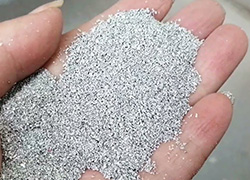
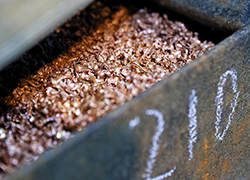
The "black powder" from discarded lithium batteries is a mix of valuable materials, and its main use is as a raw material for recovering and recycling key battery components like cobalt, nickel, and lithium. After separation and purification, these recovered metals can be used to create new batteries or other products, reducing reliance on mining and promoting a circular economy.
Primary uses
Recycling into new batteries: The primary use is to extract and refine the individual metals (cobalt, nickel, lithium, manganese) to produce new battery cathodes and anodes.
Source of critical metals: It serves as an economically viable source of high-value metals, reducing the cost and environmental impact of sourcing virgin materials through mining.
How it's used in recycling
Separation and processing: The black powder undergoes physical and chemical processes to separate its components. This often involves leaching with acids, followed by chemical processes to isolate and purify the individual metals.
Metal recovery: Metals like nickel and cobalt are recovered through methods such as electroplating or crystallization.
Re-use in manufacturing: The recovered, high-purity metals are then reused in new battery manufacturing or other industrial applications.
Other potential uses
Stationary electricity storage: Researchers are exploring using processed black powder in less demanding applications, such as for stationary batteries, to help create a fully circular system.