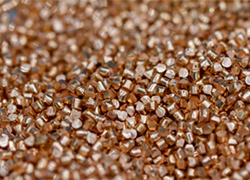
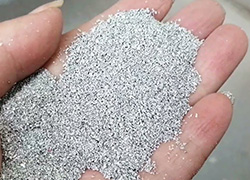
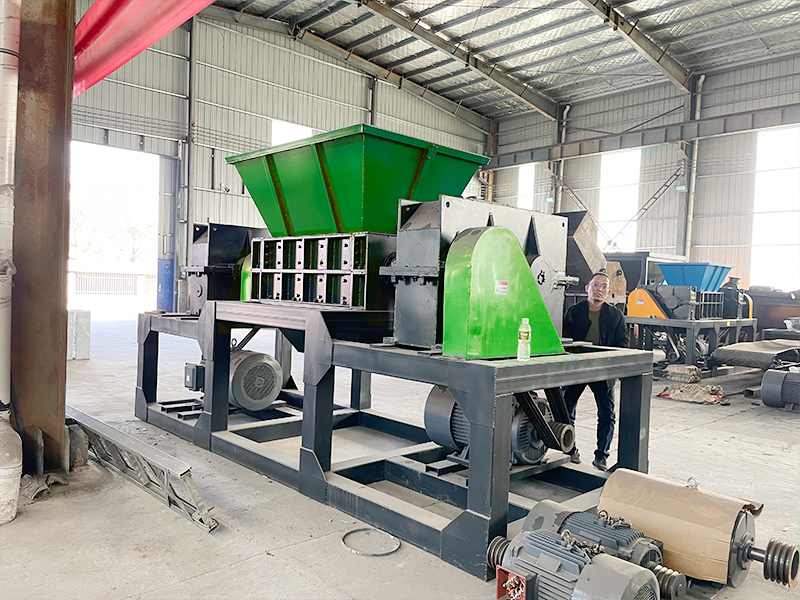
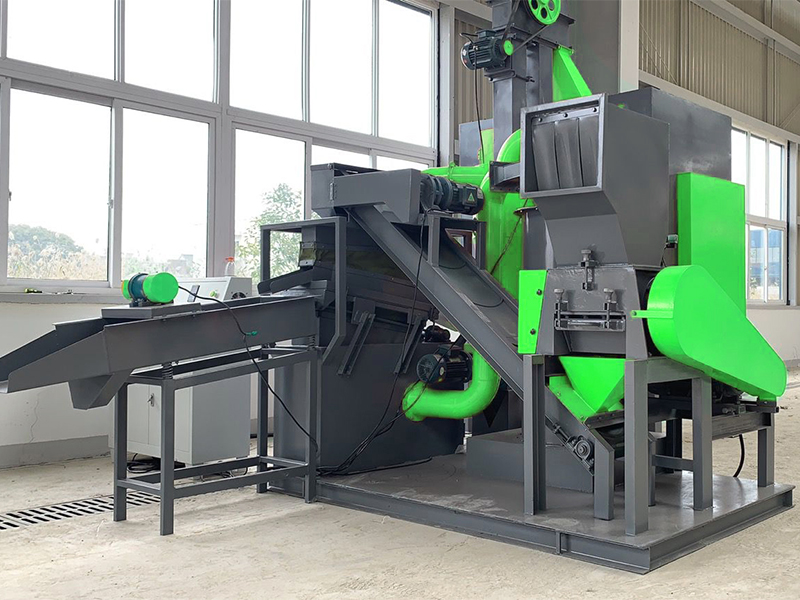
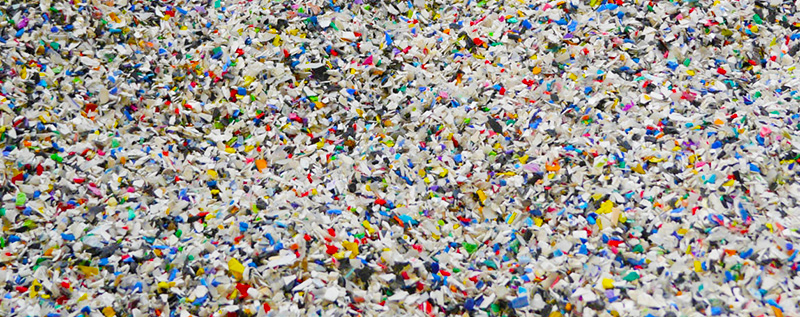
A material processing company in Australia handles mixed materials containing different non-ferrous components, and improving separation accuracy had become one of its major priorities.
After testing several conventional separation technologies, the customer began searching for a more advanced solution.
T
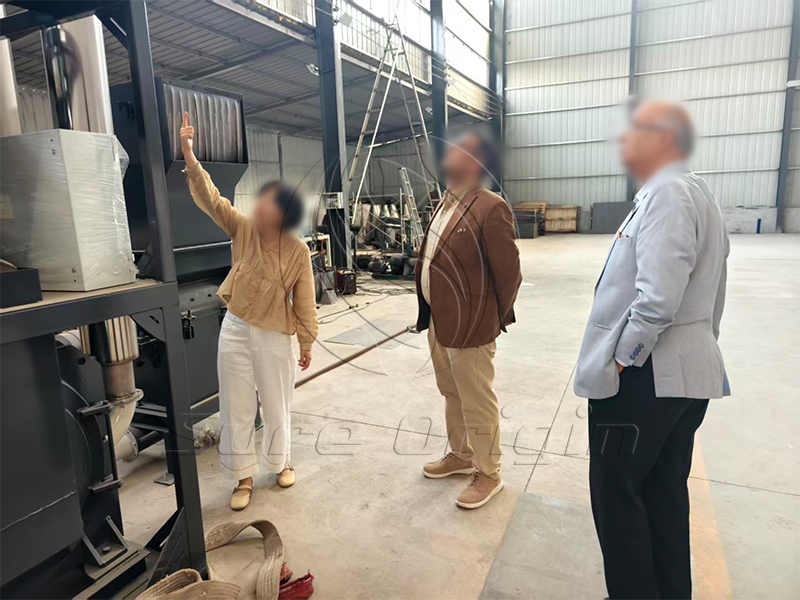
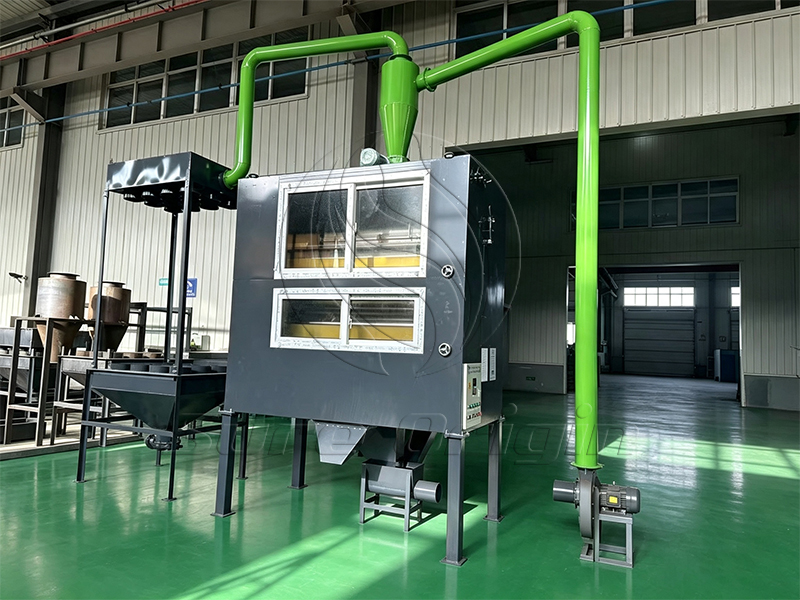
he search eventually led to Sure Origin’s High Voltage Electrostatic Separator.
The reason was simple: electrostatic separation utilizes differences in the electrical properties of different materials, making it particularly useful for separating fine particles that are difficult to classify using conventional mechanical methods.
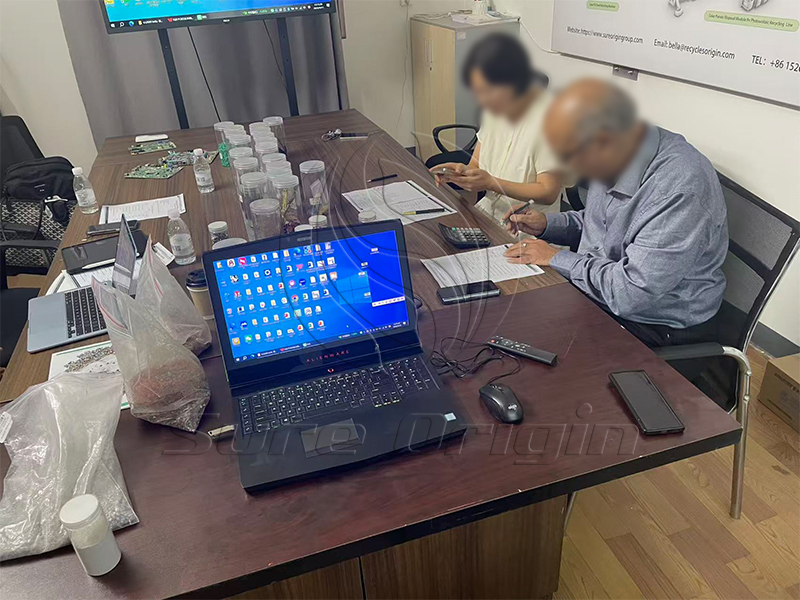
Before purchasing the equipment, the customer sent material samples to Sure Origin.
The technical team conducted a series of tests and analyzed particle size, material composition, and separation characteristics.
Instead of simply recommending a machine, Sure Origin provided a complete technical proposal based on the test results and the customer’s processing requirements.
“That was one of the things that convinced me,” the customer said. “They wanted to understand my material first.”
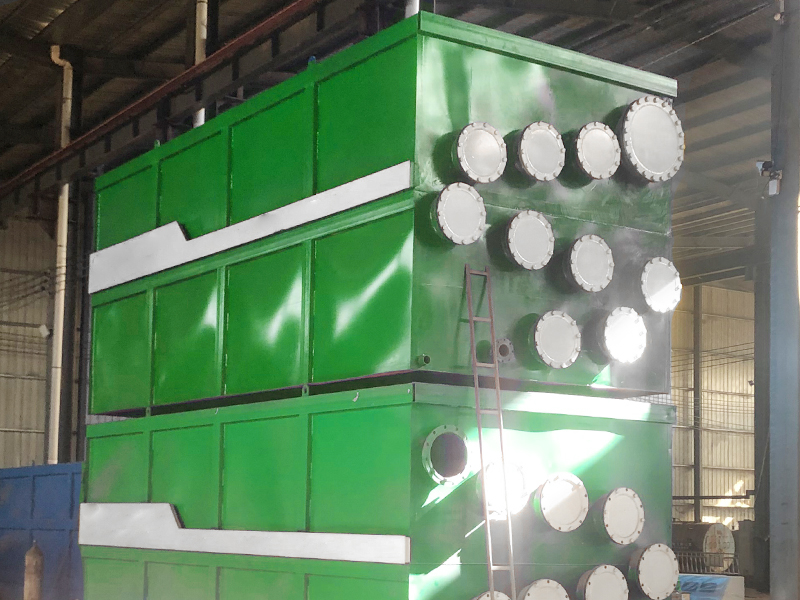
After reviewing the test results, the customer decided to purchase a High Voltage Electrostatic Separator.
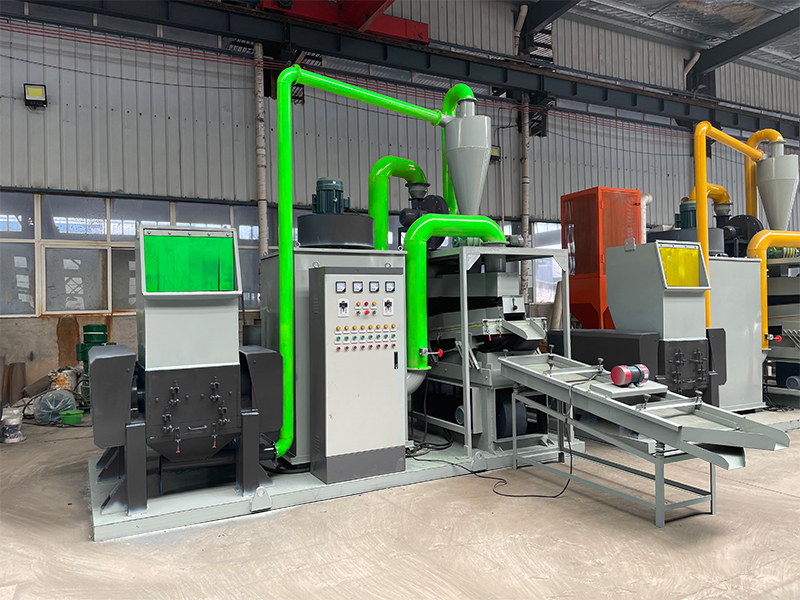
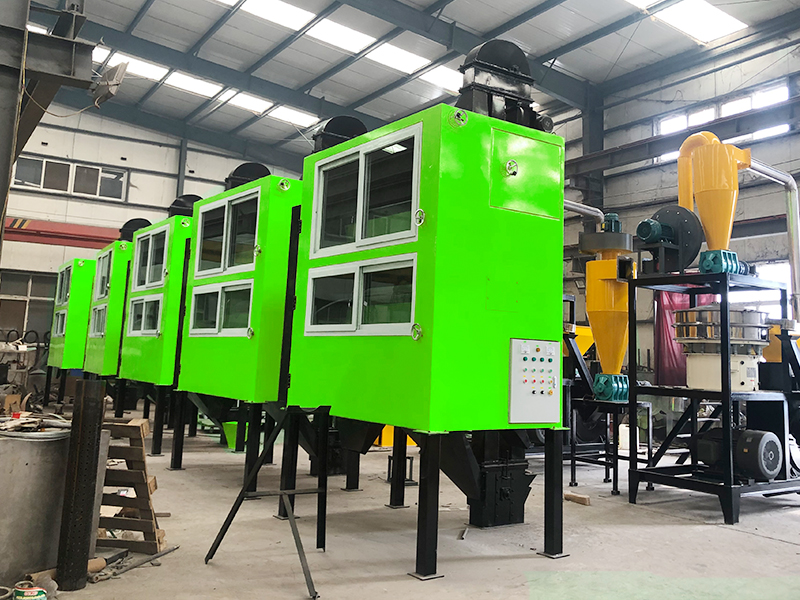
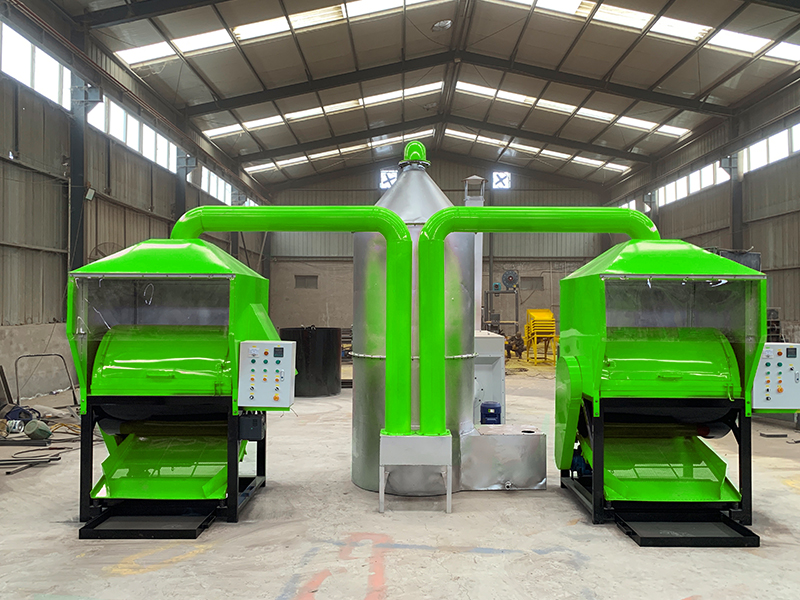
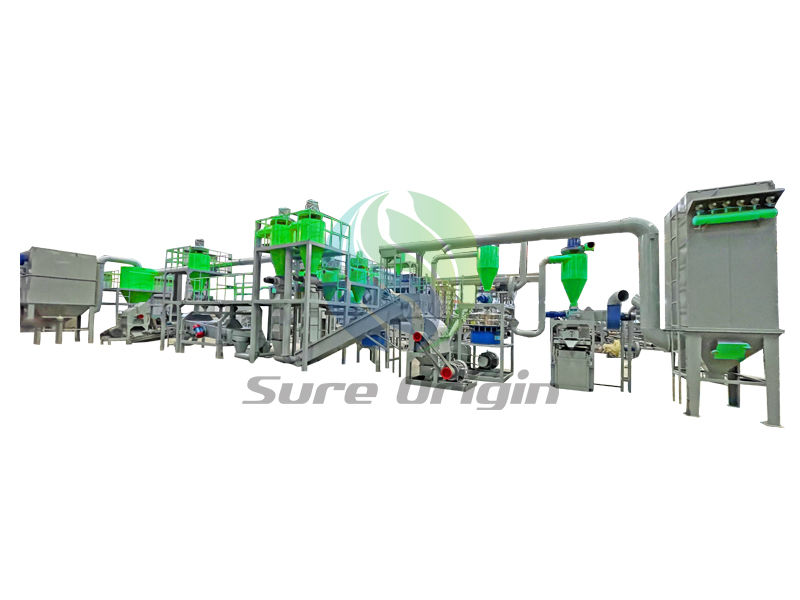
The machine was integrated into the existing processing system. Fine particles entered the electrostatic separation section, where differences in electrical conductivity helped separate the materials into different fractions.
The customer found that the new system improved the consistency of the final material streams.
The equipment also occupied relatively limited floor space compared with some alternative separation systems.
For customers working with fine mixed materials, separation accuracy can have a major impact on the overall performance of a processing facility.
Sure Origin’s High Voltage Electrostatic Separator is designed for applications requiring precise dry separation.
More importantly, Sure Origin provides equipment selection, material testing, and technical configuration based on the customer’s actual materials and processing requirements.
This project demonstrates how selecting the right separation technology can help improve processing results when conventional methods reach their limitations.