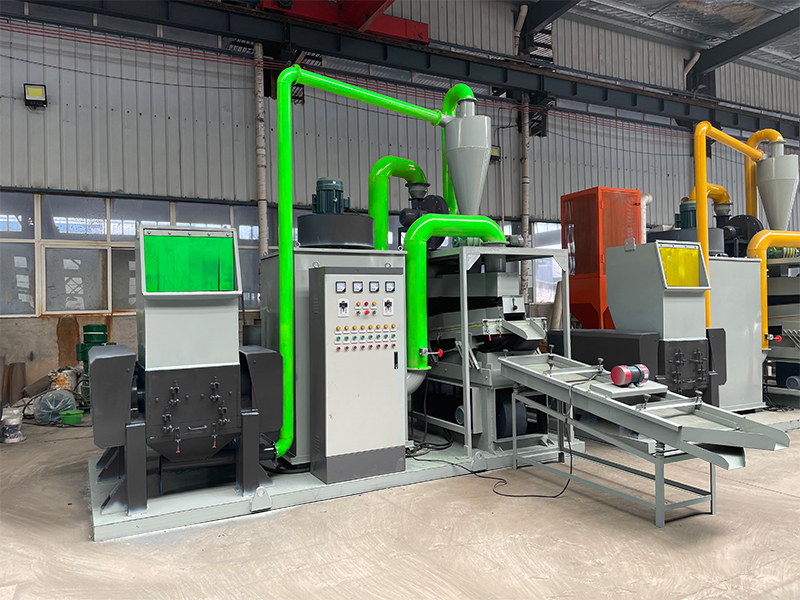
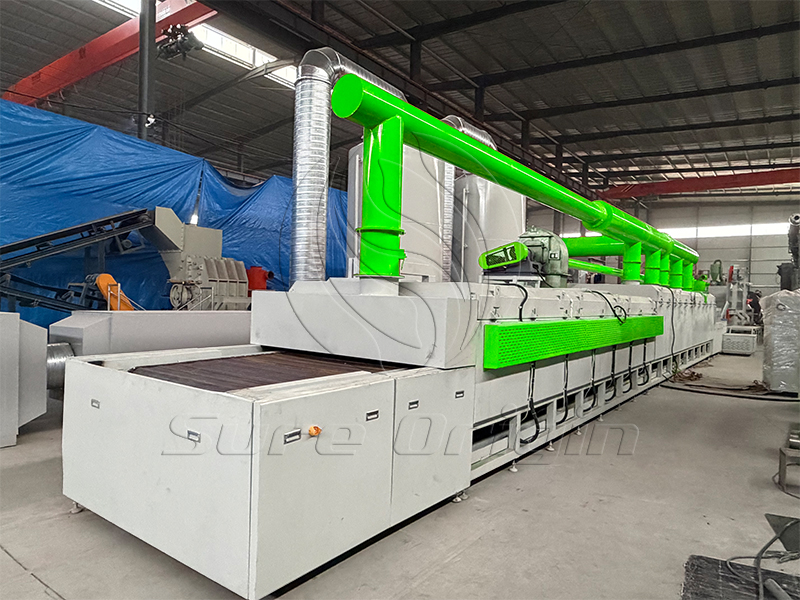
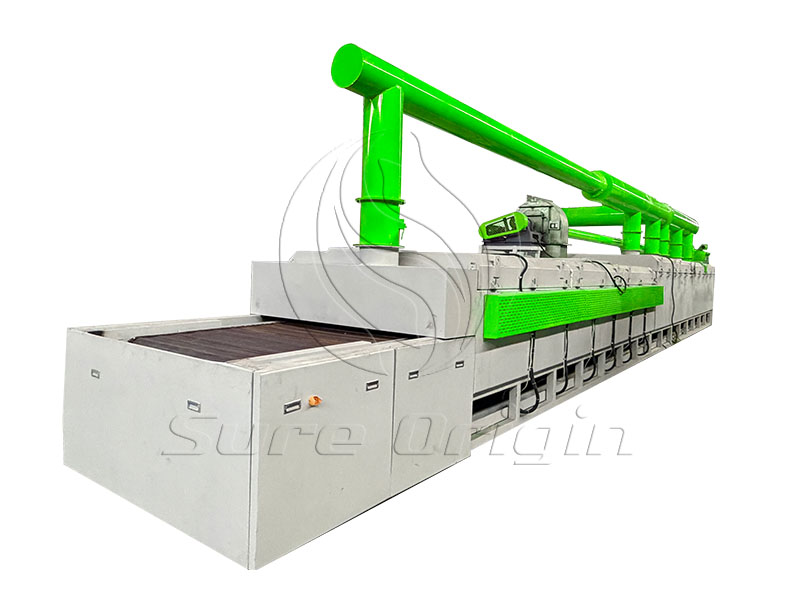
Not all PV panel recycling projects require tunnel furnaces, but their advantages are significant in certain scenarios. For example, when the recycling volume is large and the material source is stable, the continuous operation capability of tunnel furnaces becomes fully apparent, and the unit processing cost decreases accordingly.
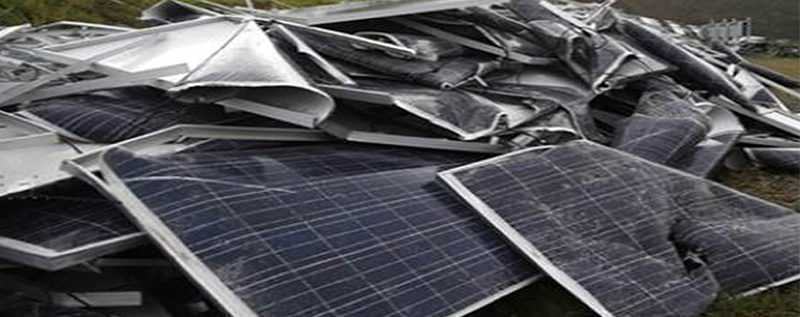
Furthermore, tunnel furnaces are more suitable for projects that primarily focus on the overall recycling of modules, rather than simply processing scraps. Whole panels entering and processing with intact structures helps improve glass integrity and sorting efficiency, which has been verified in actual calculations by many recycling companies.
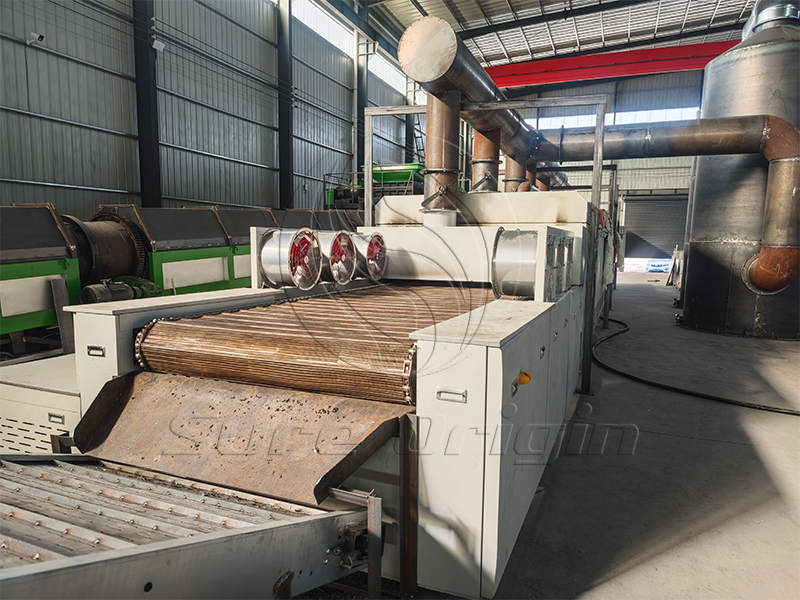
Tunnel furnace production lines have a high degree of automation and relatively low reliance on manual labor, making them more suitable for long-term, stable factory-type projects. Compared to models relying heavily on manual dismantling, this type of production line is easier to control in terms of personnel management, safety, and consistency.
Of course, the decision to choose a tunnel furnace requires a comprehensive assessment based on local environmental requirements, energy conditions, and investment budget. However, it is certain that in an increasing number of standardized recycling projects, tunnel furnaces have transitioned from an "optional" to a "key consideration."