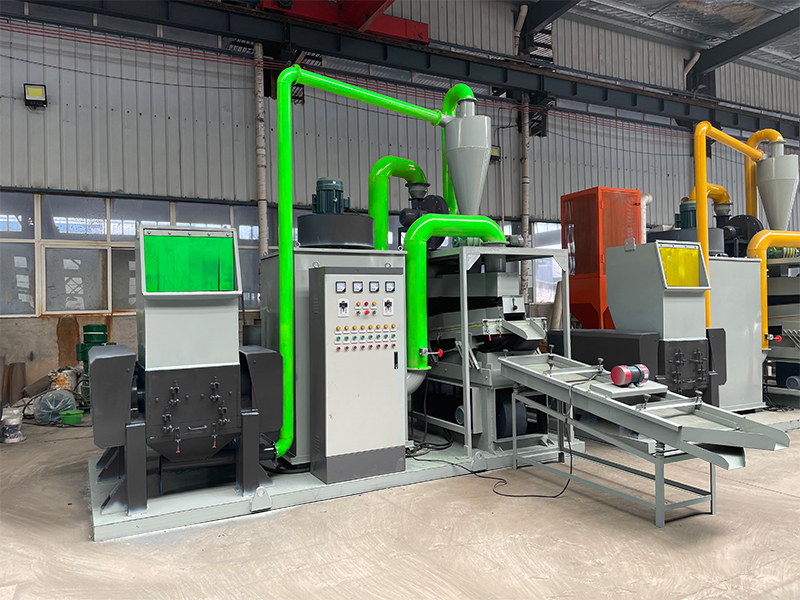
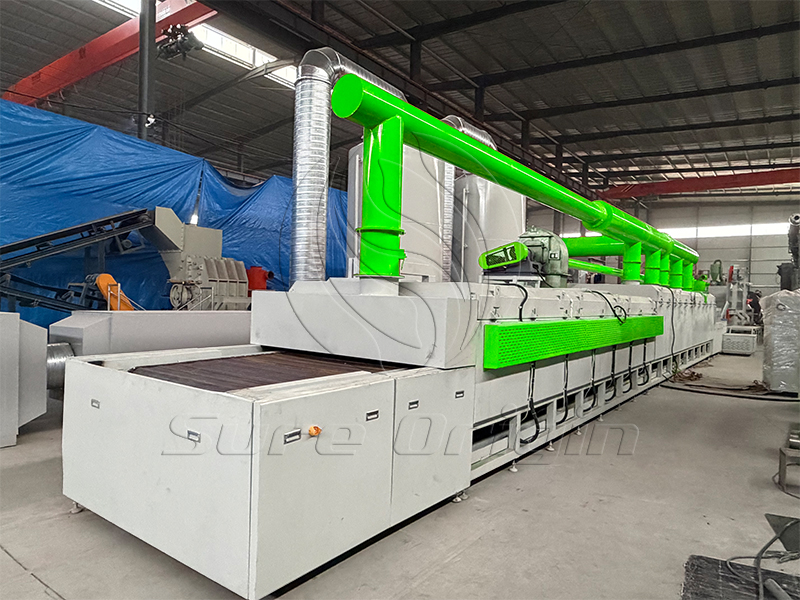
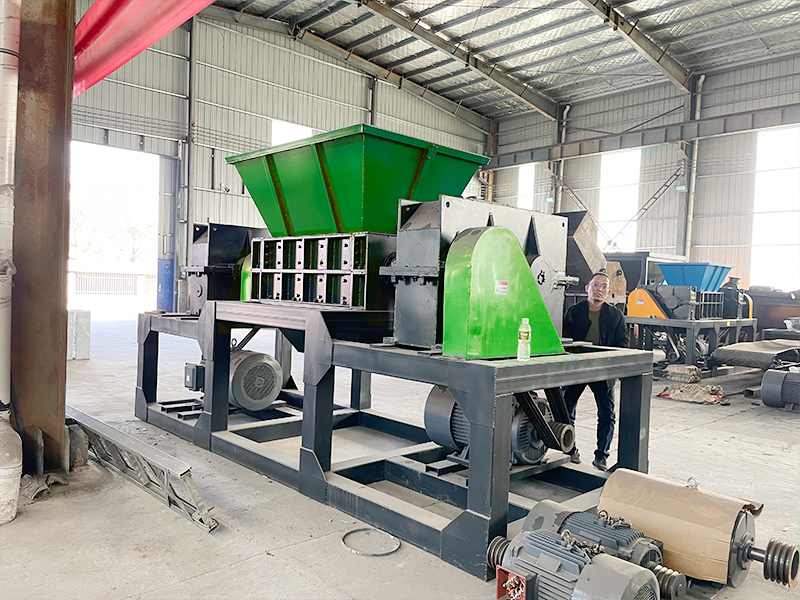
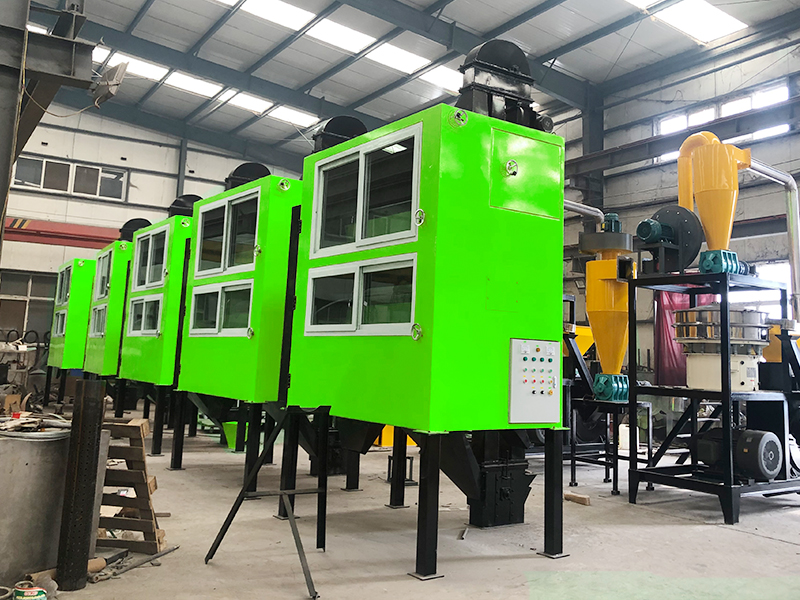
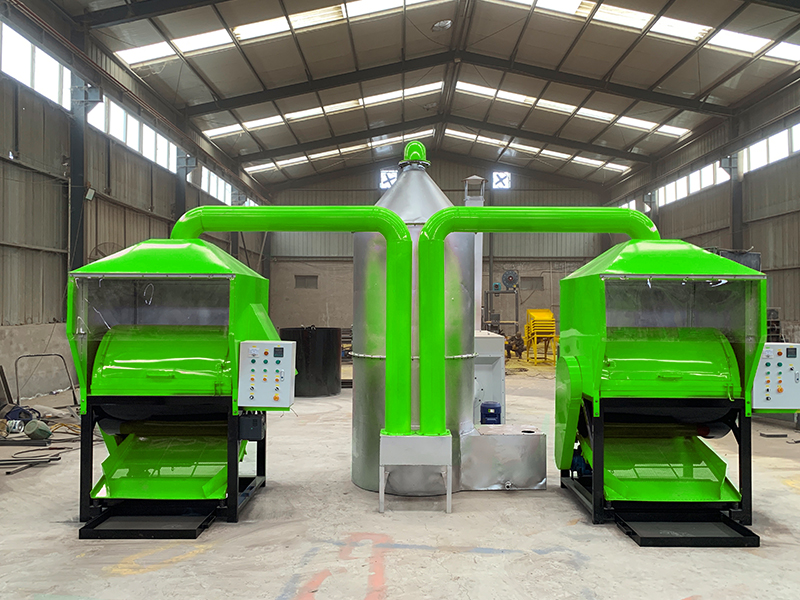
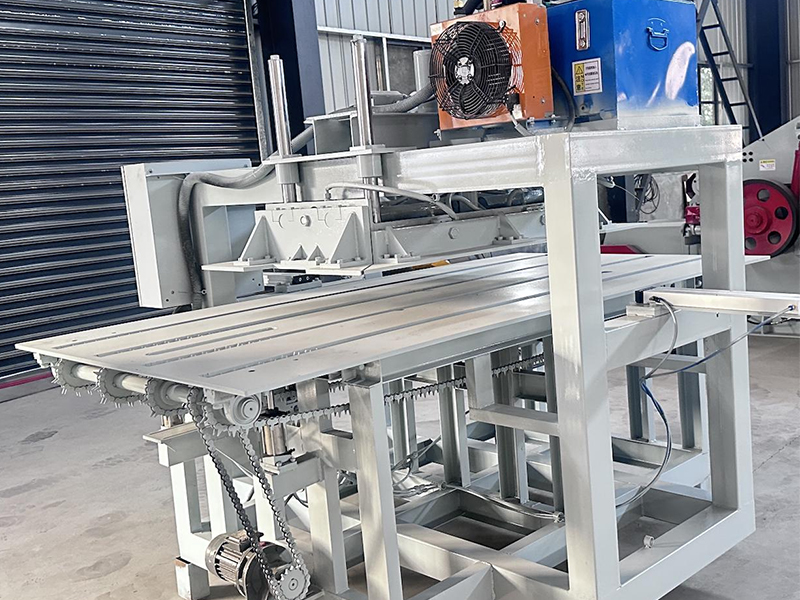
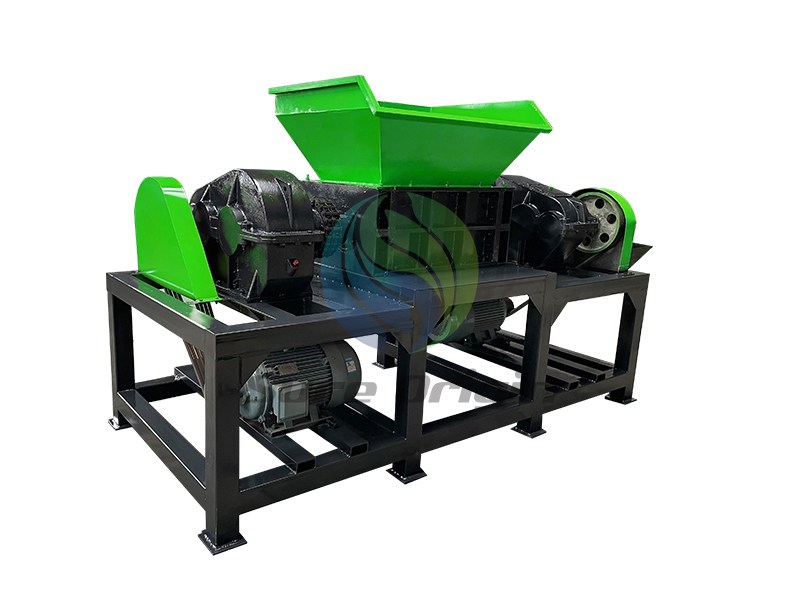
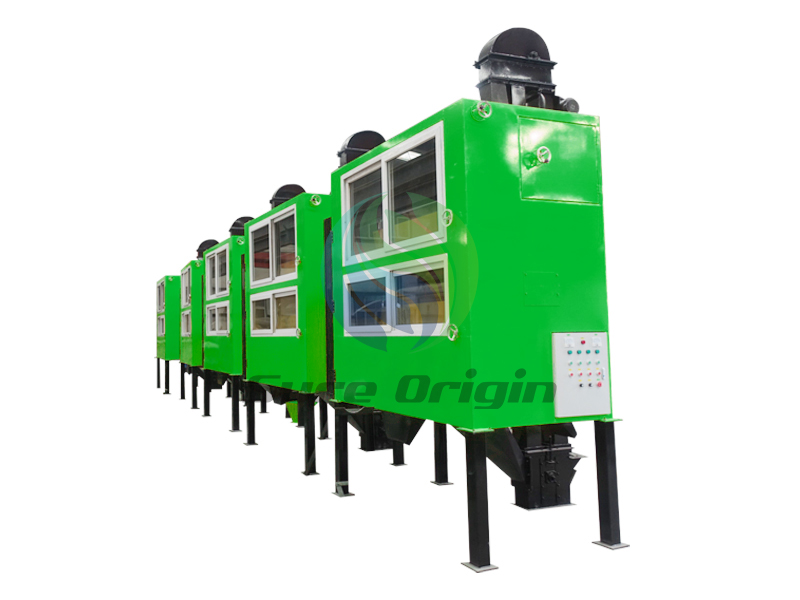
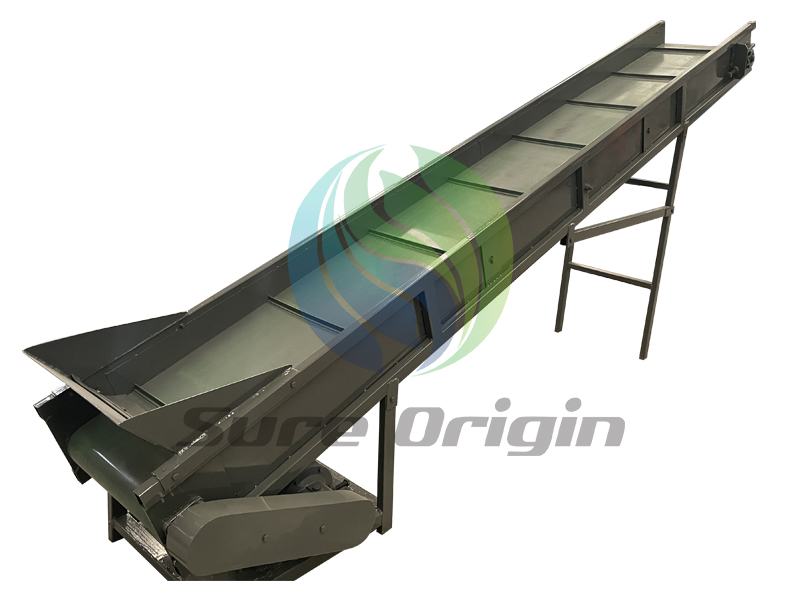
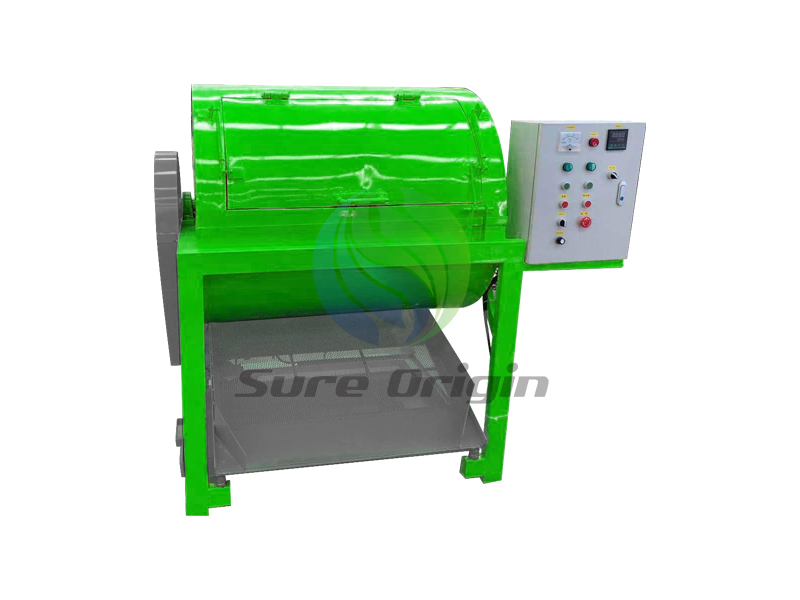
Recently, an important client from Hebei Province made a special trip to our production factory to conduct an on-site inspection of our core equipment — the PCB Dismantling Machine and the Copper Wire Recycling Machine. The client's primary business is the production of plastic-steel wardrobes, with experience in plastic processing and metal accessory handling. Recently, they have been planning to expand or transition into the field of scrap wire/cable and e‑waste recycling. Their intended equipment purchases include a Copper Wire Recycling Machine (for processing scrap cables to recover copper granules) and a PCB Dismantling Machine (for removing electronic components from waste circuit boards and recovering solder). The purpose of this visit was to evaluate our manufacturing capabilities and equipment technology for both machines, as well as to learn about technical specifications, pricing, and after‑sales service.
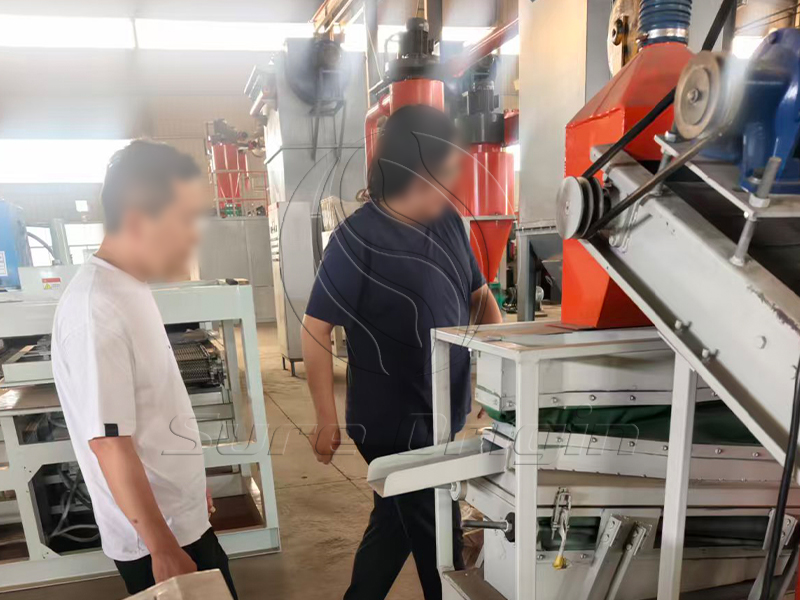
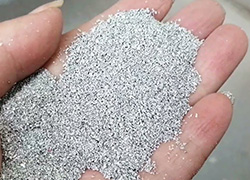
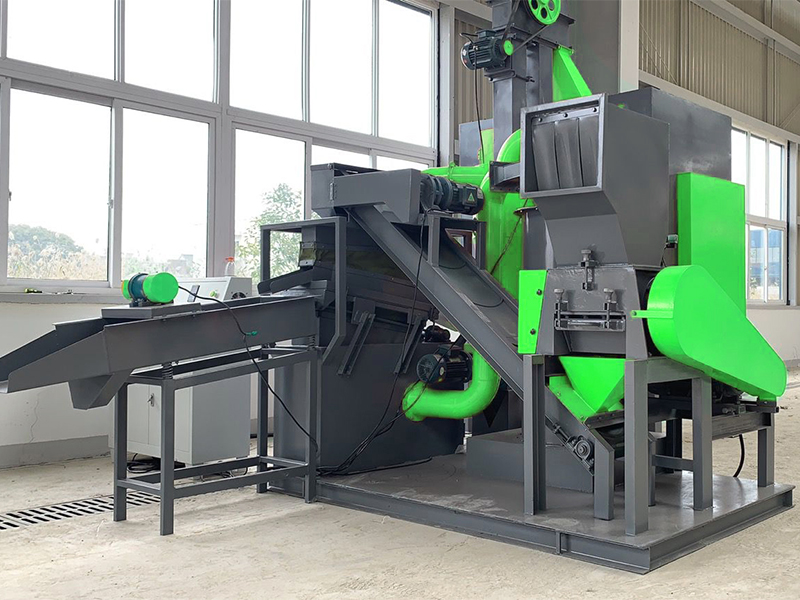
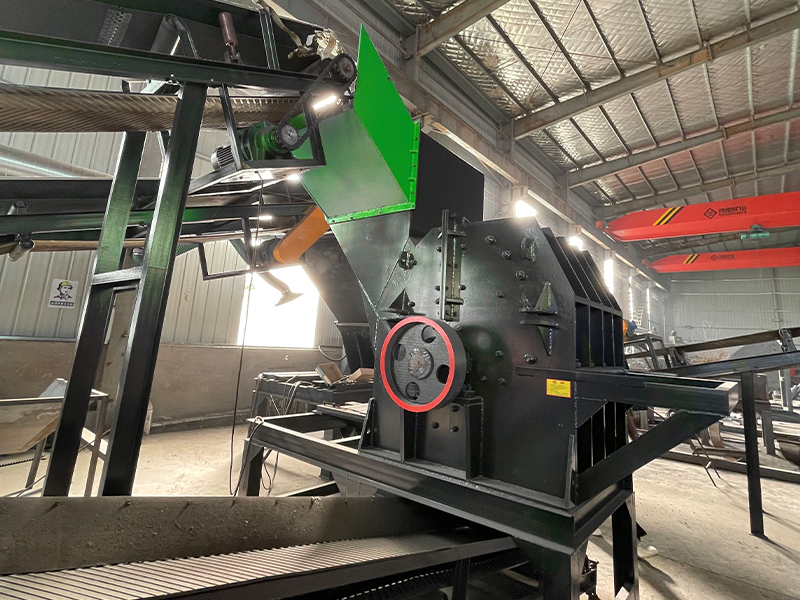
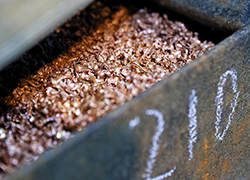
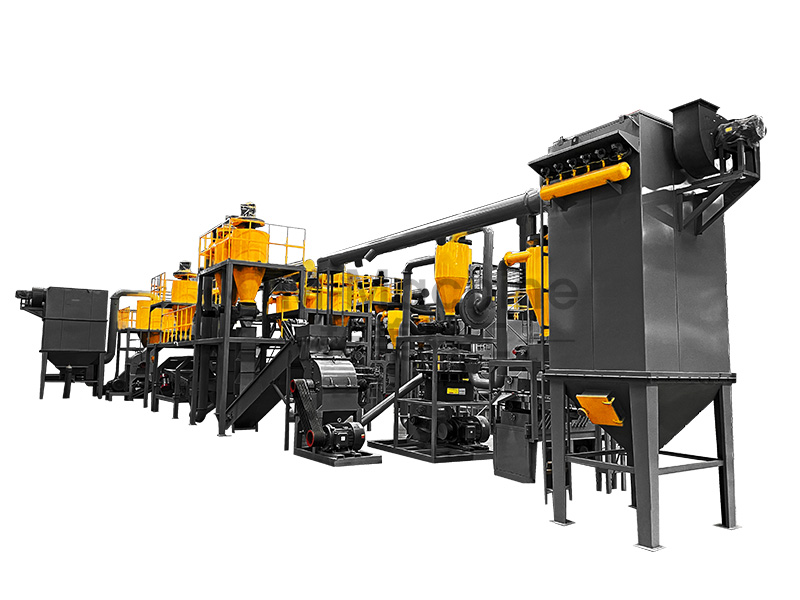
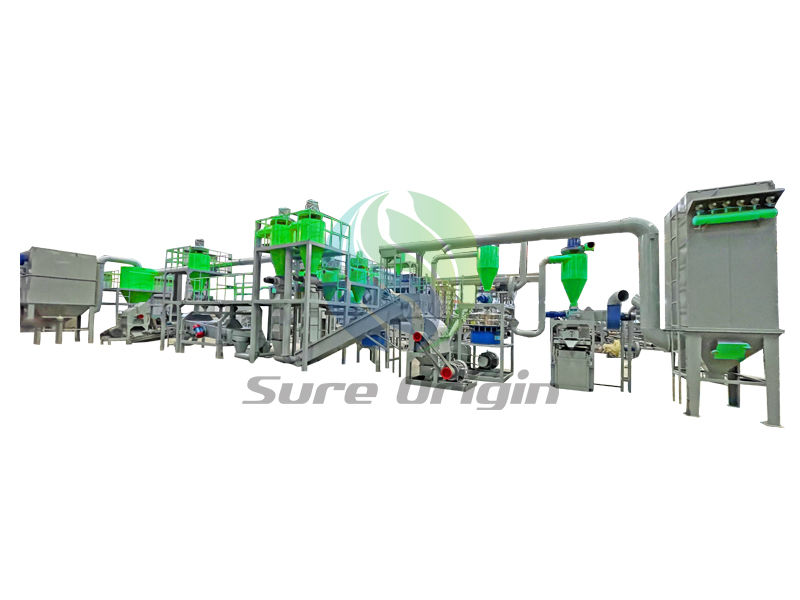
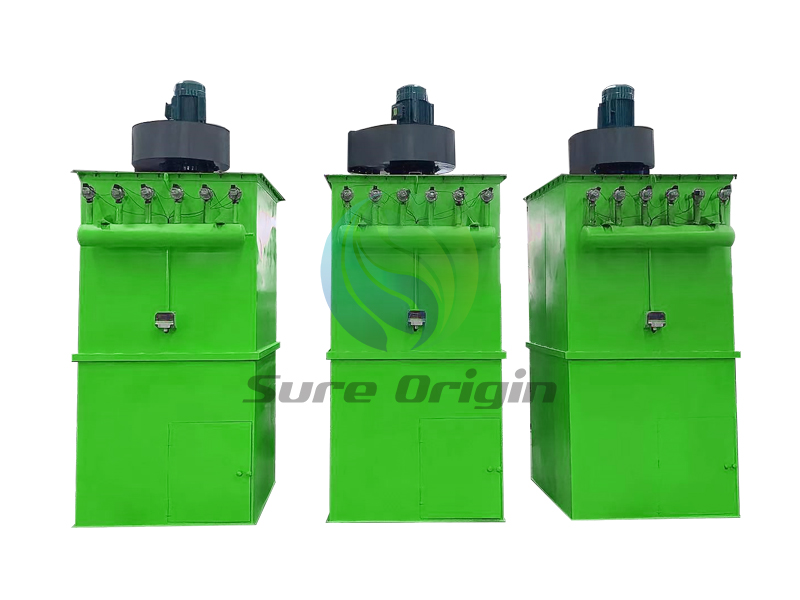
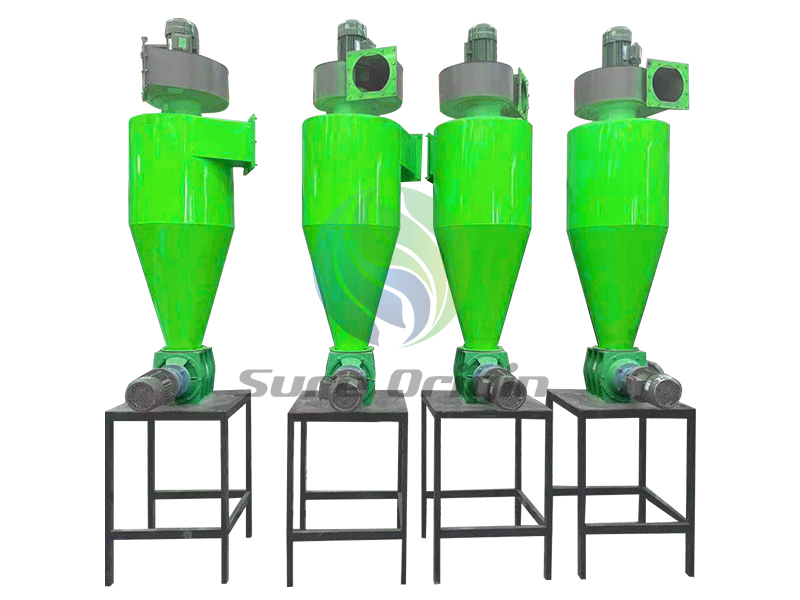
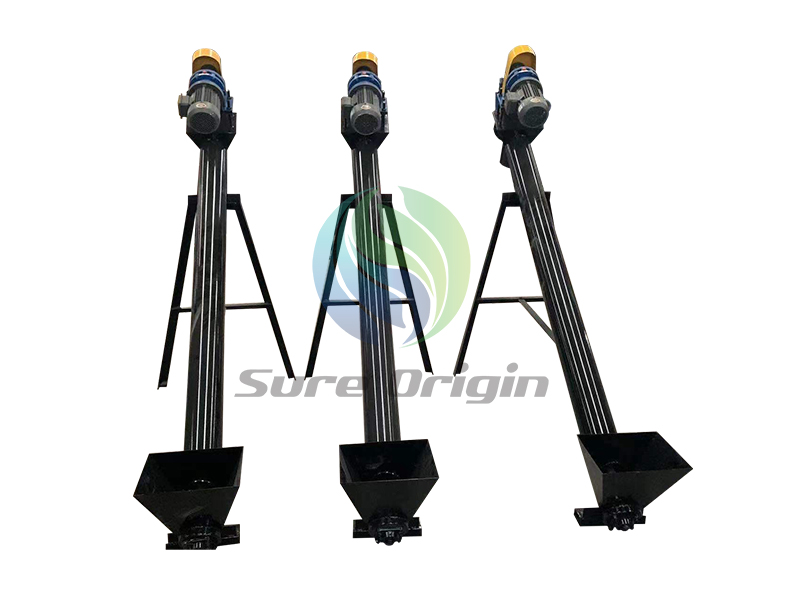
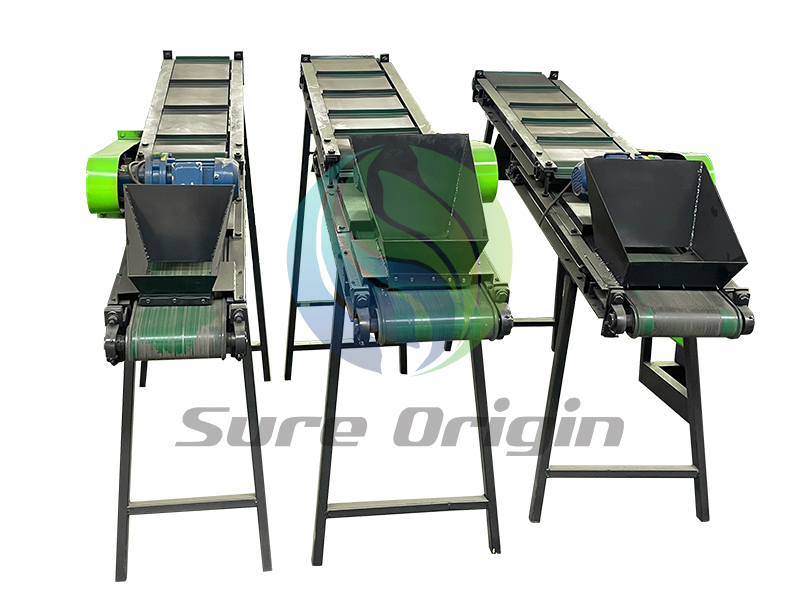
The client focused mainly on the Copper Wire Recycling Machine. We introduced them to our various models, all of which generally adopt dry separation technology, using physical methods to separate copper from plastic in scrap cables. The typical process includes crushing, air gravity separation, and linear vibrating screening. Dry-type machines inevitably have some material loss, and our machines are no exception — there is approximately a 2% loss. This 2% does not mean the material disappears; rather, it is mixed into the separated plastic. The larger the client's throughput, the more significant this 2% becomes. Therefore, we recommended that if the client has a very large production volume, they could equip our high‑voltage electrostatic separator for secondary purification.
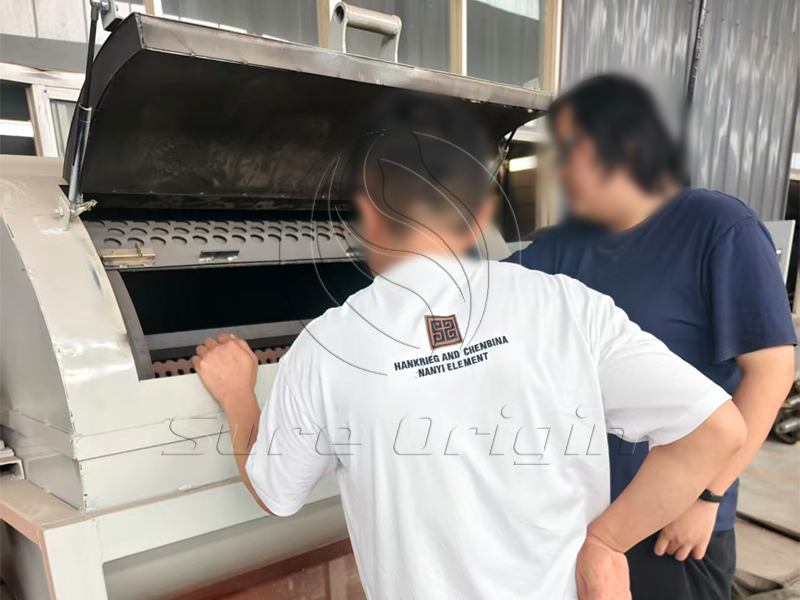
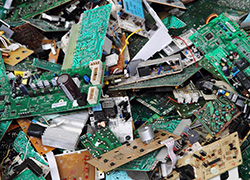
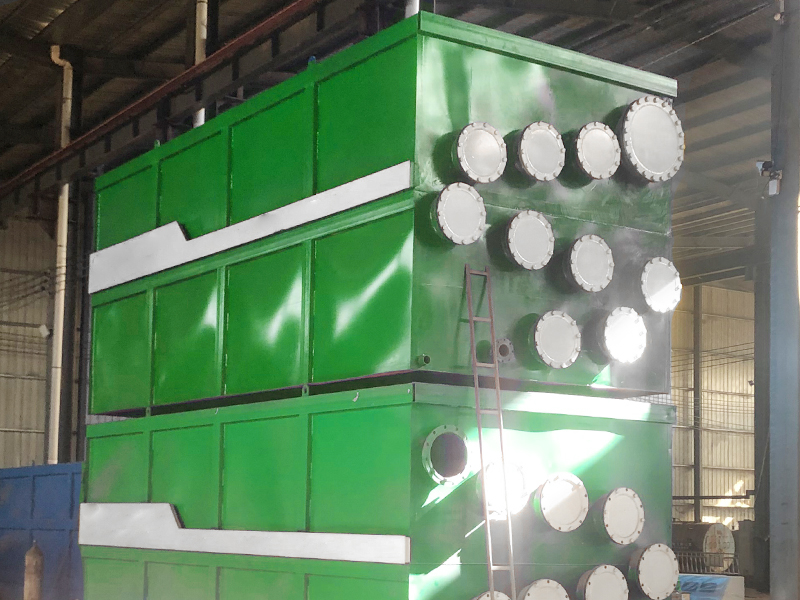
In addition, the client also visited our PCB Dismantling Machine. They learned that this equipment is mainly used for automatic disassembly of electronic components from circuit boards. By heating (via electricity or liquefied gas), the solder melts at around 200°C, allowing the separation of tin and electronic components from the bare boards. The client also learned about the process of the circuit board crushing and separation line after tin removal. However, due to environmental concerns, the client decided to focus primarily on the Copper Wire Recycling Machine and the PCB Dismantling Machine, as they involve lower initial investment and are easier to pass environmental inspections.
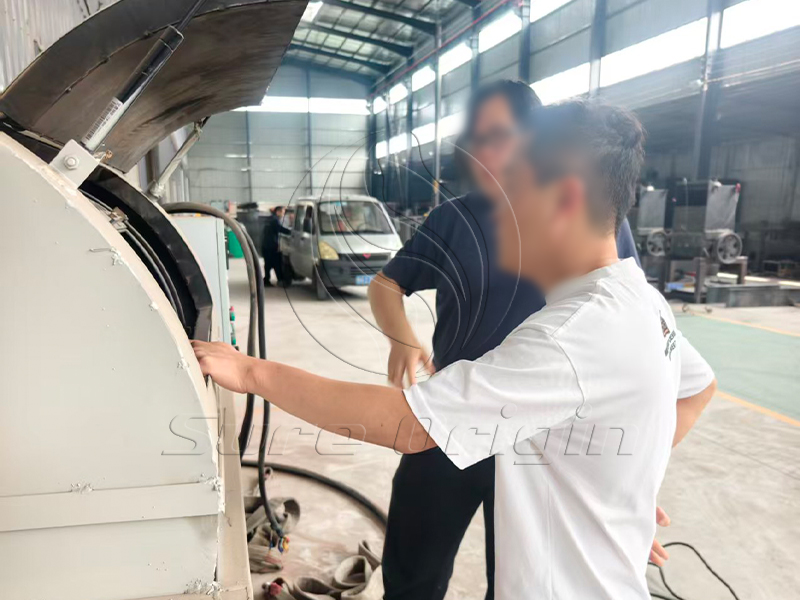
After the inspection, the client expressed great satisfaction with our equipment and gave us high praise. They will decide whether to proceed with their business expansion after returning and evaluating the market. In the meantime, they will also try to source some materials to bring to our factory for trial testing. This reflects the client's recognition of our products and capabilities. Moving forward, we will continue to deepen our presence in the recycling industry, continuously optimize our technology, improve product quality and performance, and repay our clients' trust and support with even higher standards.