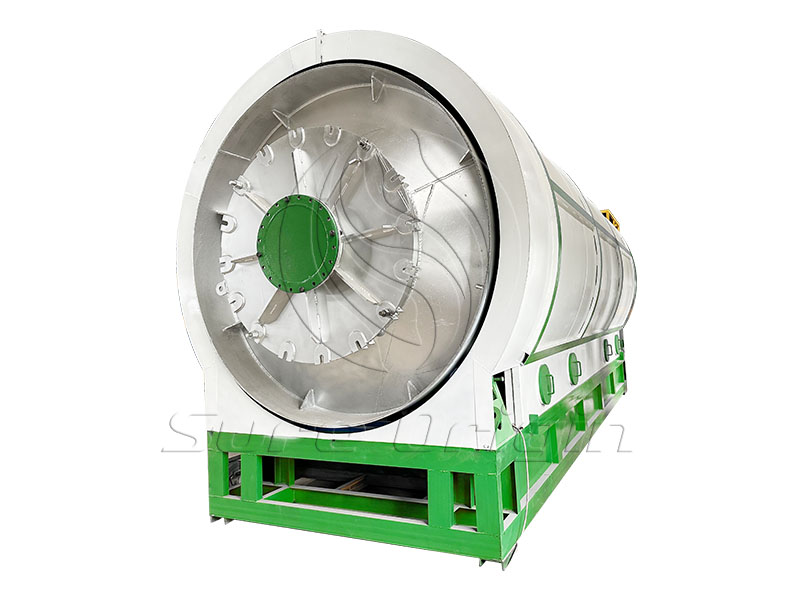
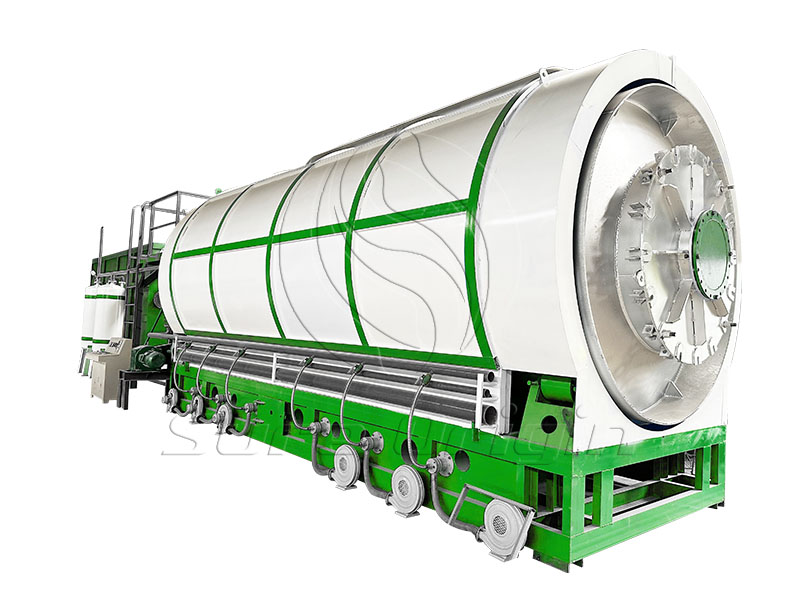
Among the various recycling approaches, physical crushing and separation technology has become a widely adopted solution due to its stable operation, environmental compatibility, and efficient material recovery. Through a well-designed processing system, multiple materials contained in solar panels can be effectively separated and reused.
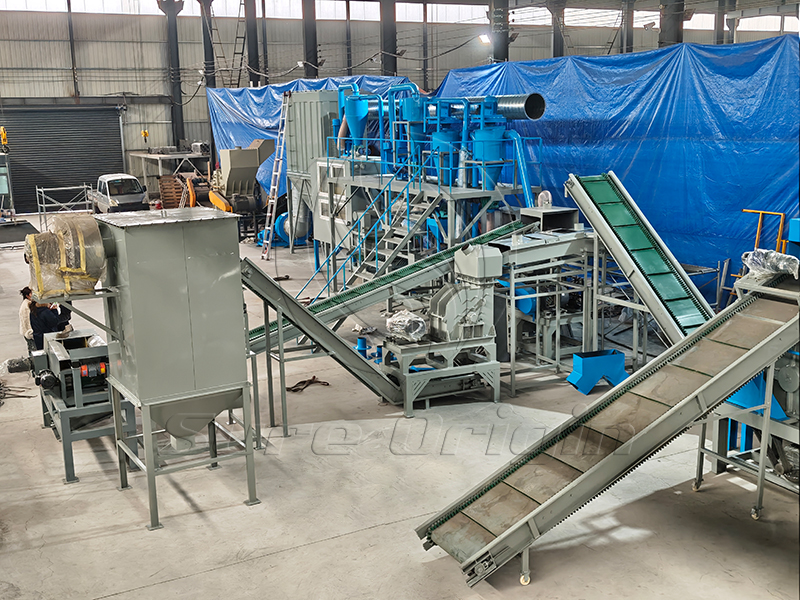
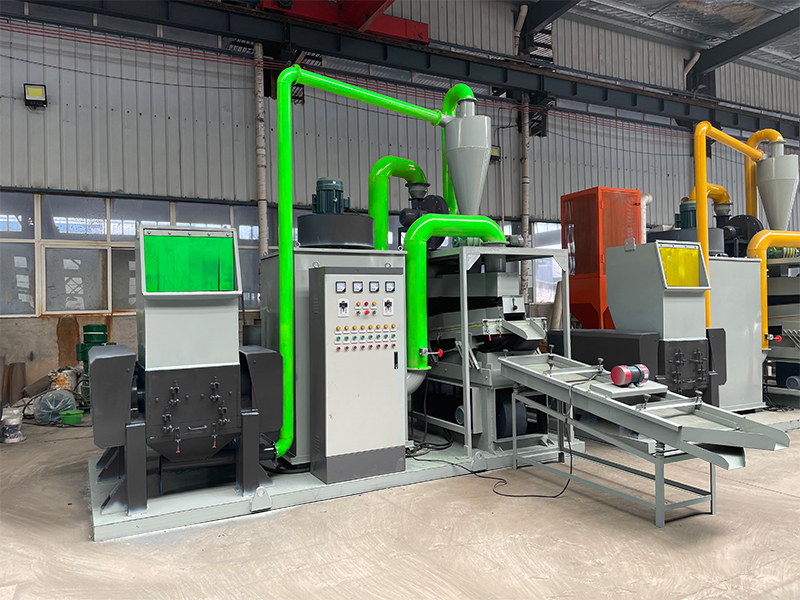
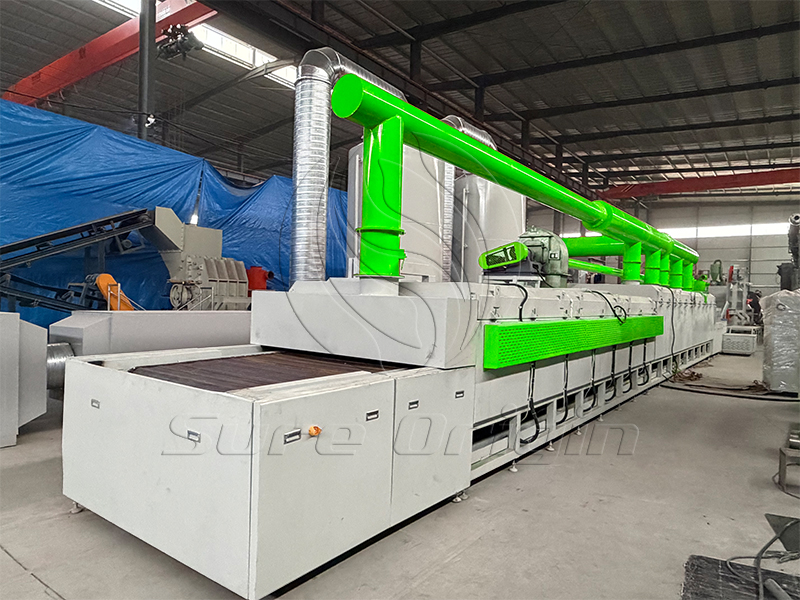
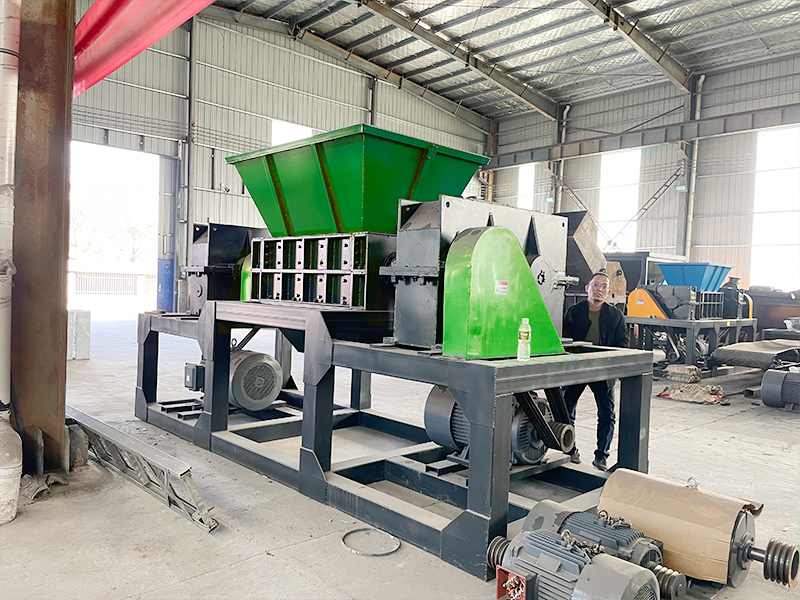
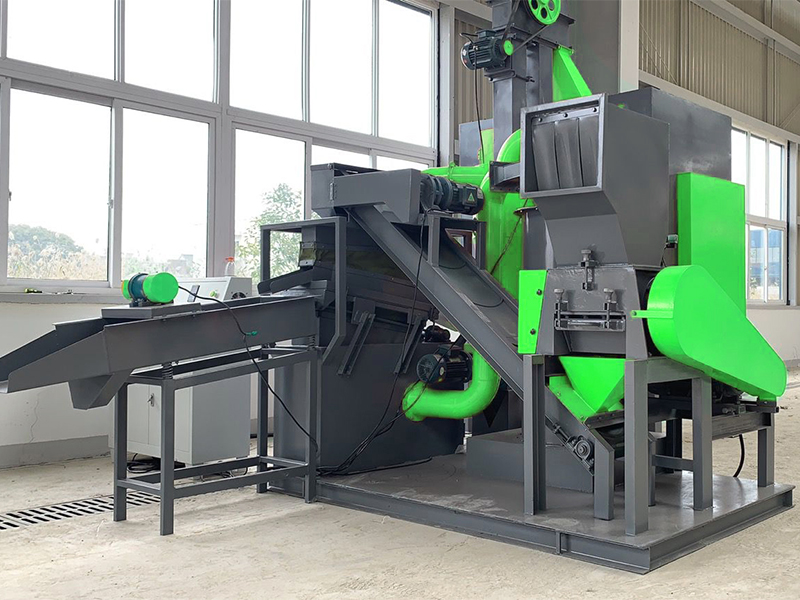
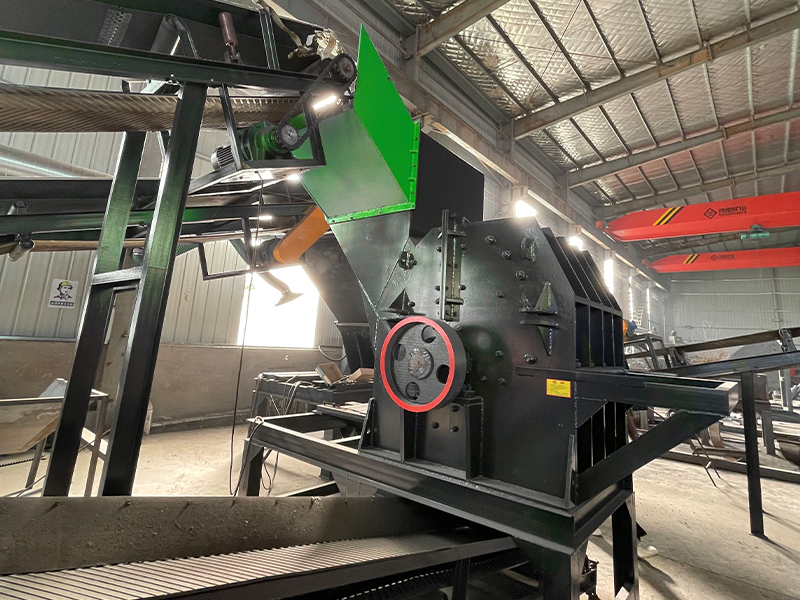
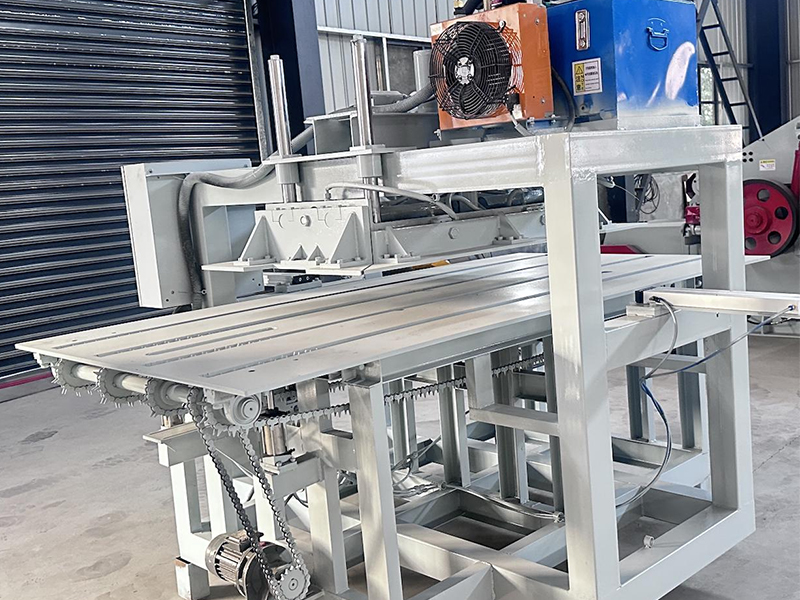
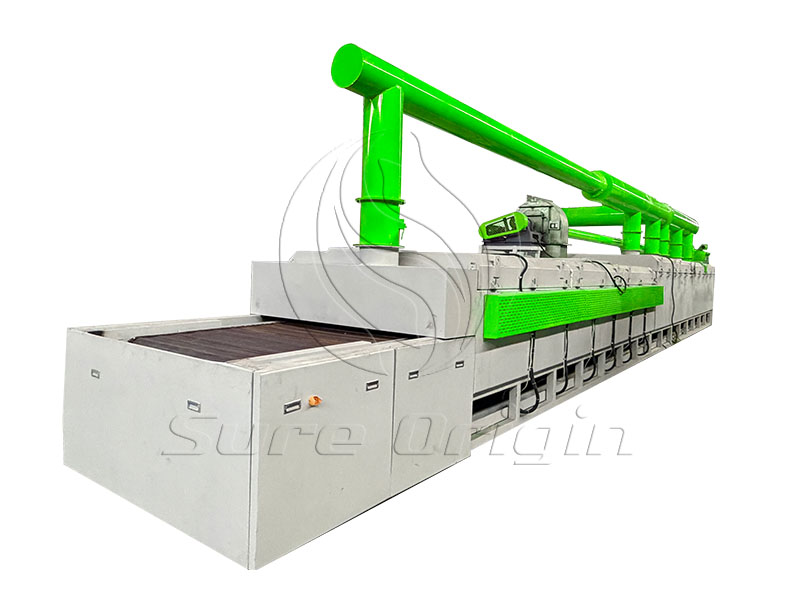
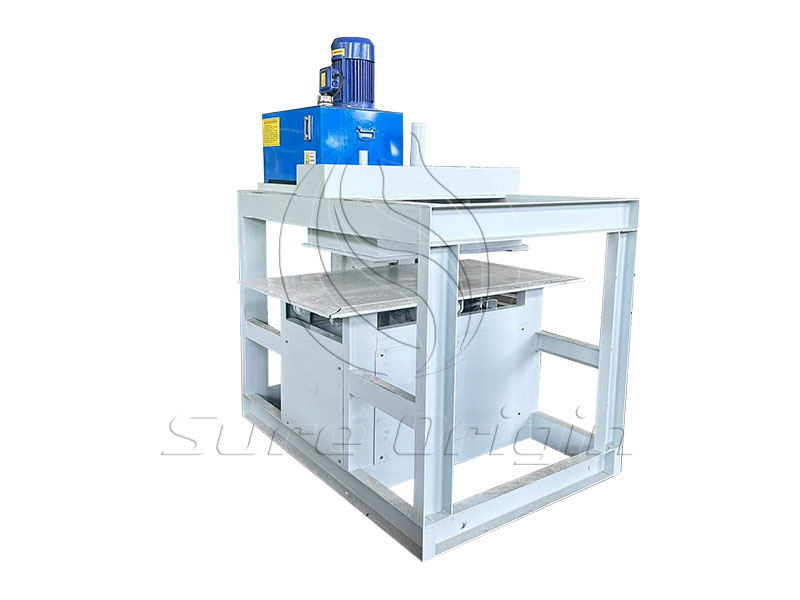
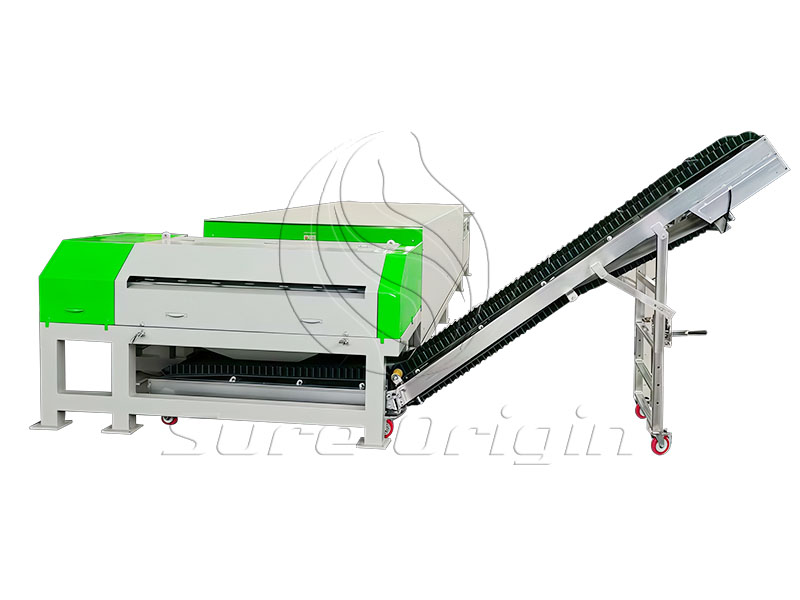
A solar panel recycling production line mainly relies on mechanical processing to gradually break down the structure of photovoltaic modules. The process typically begins with frame removal and preliminary treatment, followed by shredding, crushing, and milling stages. Through these steps, the complex structure of the panel is progressively reduced into smaller particles. As the materials are released, glass, silicon powder, metals, and backsheet materials can be separated more efficiently in the subsequent processing stages. Compared with other treatment methods, physical recycling does not require chemical reagents, making the process more environmentally friendly while reducing potential operational risks.
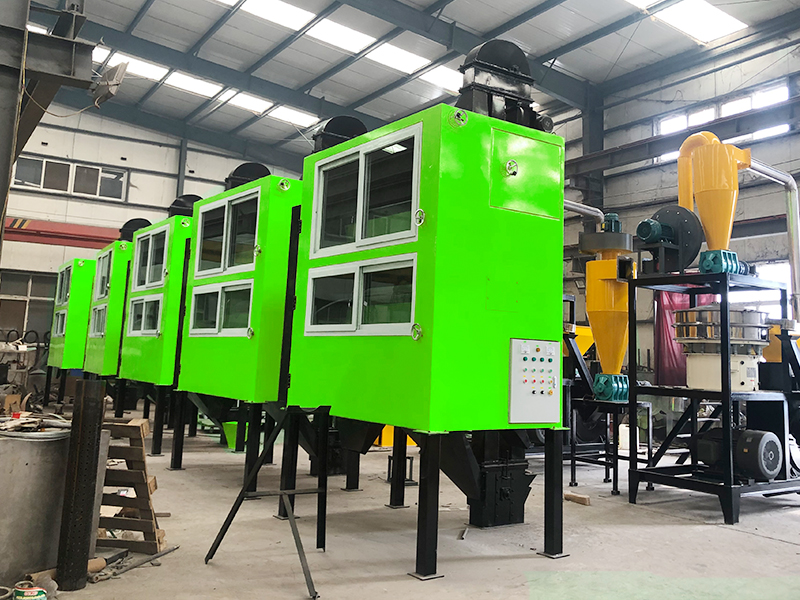
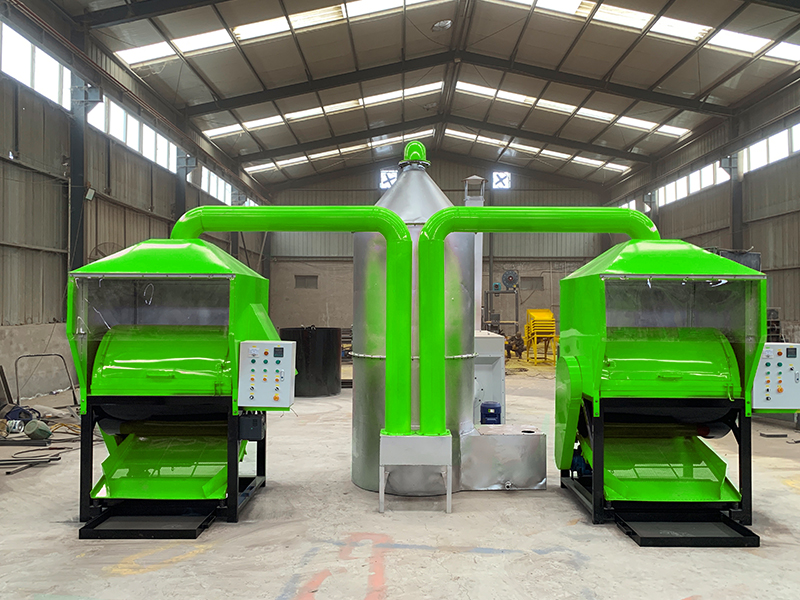
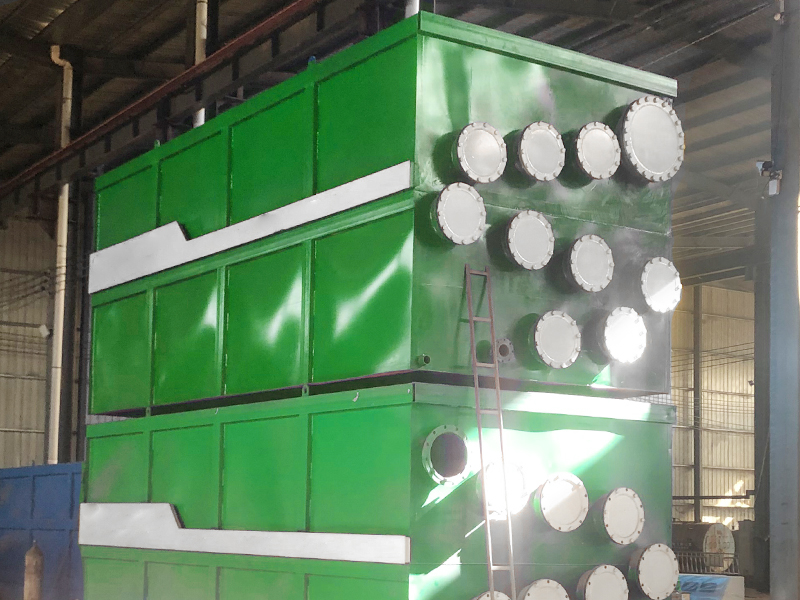
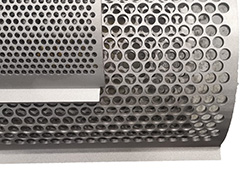
During the separation stage, the production line generally integrates equipment such as vibrating screens, air gravity separators, and high-voltage electrostatic separators. The screening system classifies materials according to particle size and allows the recovery of different grades of glass and silicon powder. Air gravity separation equipment separates metals from lighter materials based on density differences. Finally, high-voltage electrostatic separation further separates silicon powder and plastic materials according to their electrical conductivity characteristics, improving the purity of the recovered materials.
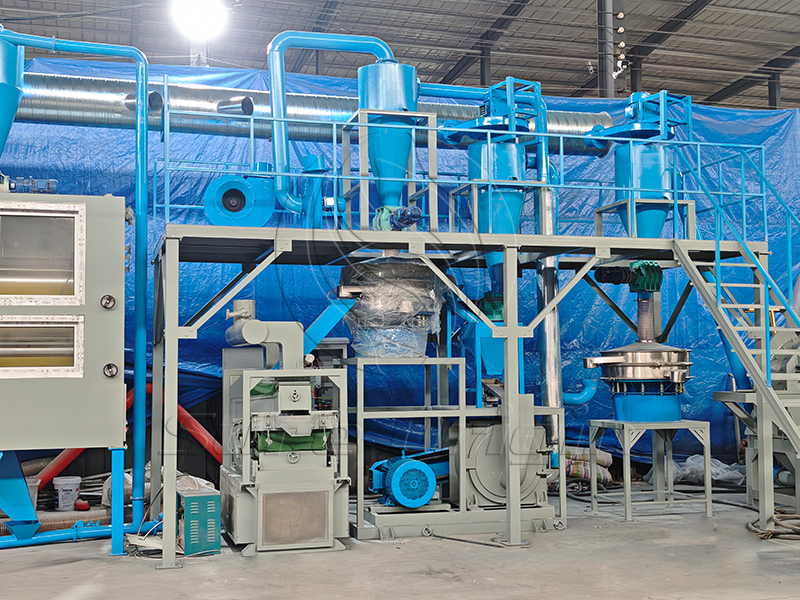
Physical crushing recycling lines are designed with strong stability and adaptability. The process can be adjusted according to different types of photovoltaic modules, and the equipment structure is built with durable and wear-resistant components suitable for long-term continuous operation. With the integration of automated control systems, different machines in the production line can operate in coordination, improving overall efficiency while reducing manual intervention.
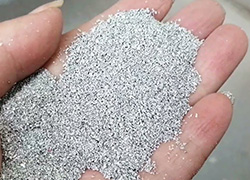
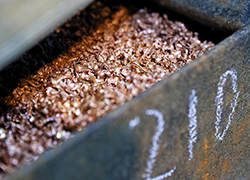
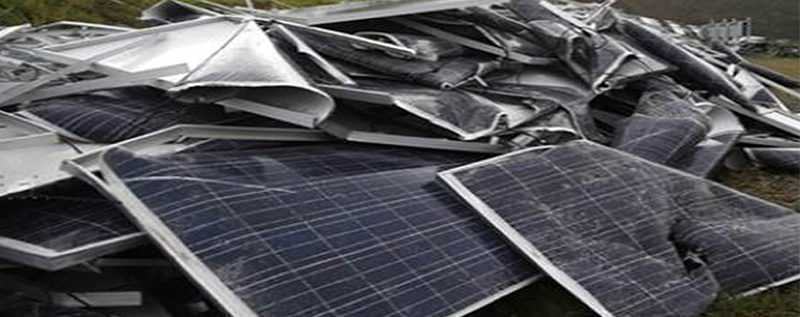
Through the combination of physical crushing and multi-stage separation processes, valuable materials such as glass, silicon powder, copper, aluminum, and backsheet components can be effectively recovered from end-of-life solar panels. This recycling method improves resource utilization and provides a reliable technical solution for the sustainable management of photovoltaic waste materials.